
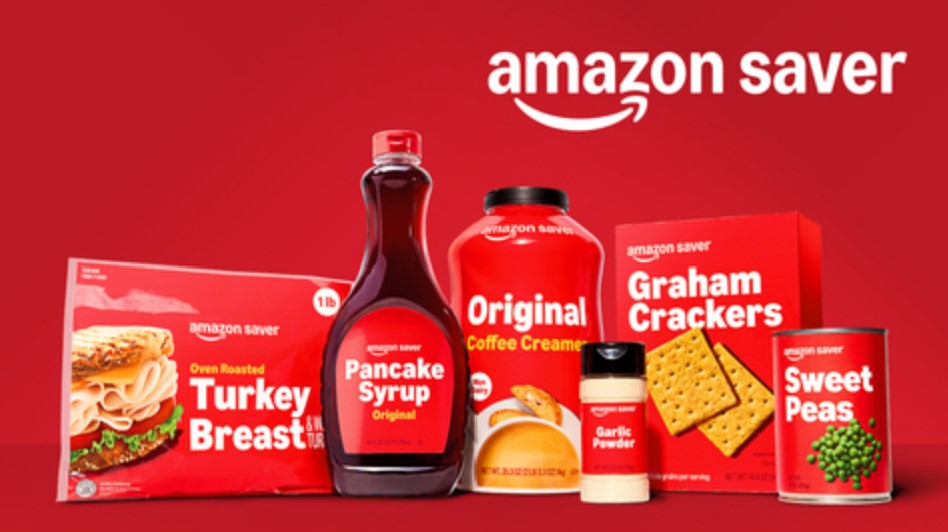

Amazon has launched a new budget-friendly food line, Amazon Saver, as part of its expanding grocery efforts.
- This range is currently available in the United States and includes exclusive discounts for both in-store and online purchases.
- Most products are priced under £3.83, with plans to expand the line to over 100 items.
- The initiative also includes enhanced Prime member benefits, with discounts on over 3,000 grocery items.
- Neil Saunders, a retail analyst, highlights the importance of competitive pricing and product quality for the success of Amazon Saver.
Amazon has unveiled a new budget-focused food line, termed Amazon Saver, in the United States. This move is part of Amazon’s broader strategy to expand its grocery offerings and provide cost-effective solutions to customers. Shoppers can find exclusive discounts on various grocery essentials, both in physical stores and online. This pricing initiative ensures that most products within this range are available at a cost not exceeding £3.83.
The company aims to grow this private label by incorporating more than 100 products over time. This includes offering exclusive discounts accessible to Amazon Prime members, who benefit from increased savings on over 3,000 grocery items. Claire Peters, the Vice President of Amazon Fresh worldwide, asserted the company’s intent to facilitate grocery shopping that is convenient, quick, and affordable.
Amazon’s current expansion into value-branded food options aligns with its past efforts through various private-label lines. These include brands like Aplenty, Happy Belly, Amazon Kitchen, and 365 by Whole Foods Market. The launch of Amazon Saver follows the debut marketing campaign of its own-brand products in October of the previous year, under the label byAmazon.
Retail analyst Neil Saunders noted on LinkedIn that the new Amazon Saver line represents a significant step away from previous offerings, describing it as a distinct move towards providing more competitive price points across crucial grocery categories. He emphasised that the success of this venture hinges on ensuring prices remain genuinely competitive while maintaining effective communication of these offers both in-store and online.
According to Saunders, the emerging brand must develop a reputation for delivering reasonable quality, as consumers are increasingly prioritising value in the wake of prolonged high inflation. He highlighted that the trend of opting for store-own brands is reflective of an industry-wide shift in consumer behaviour, which Amazon aims to capitalise on by enhancing its value proposition.
The success of Amazon Saver will largely depend on maintaining competitive pricing and establishing a reputation for quality among consumers.
