
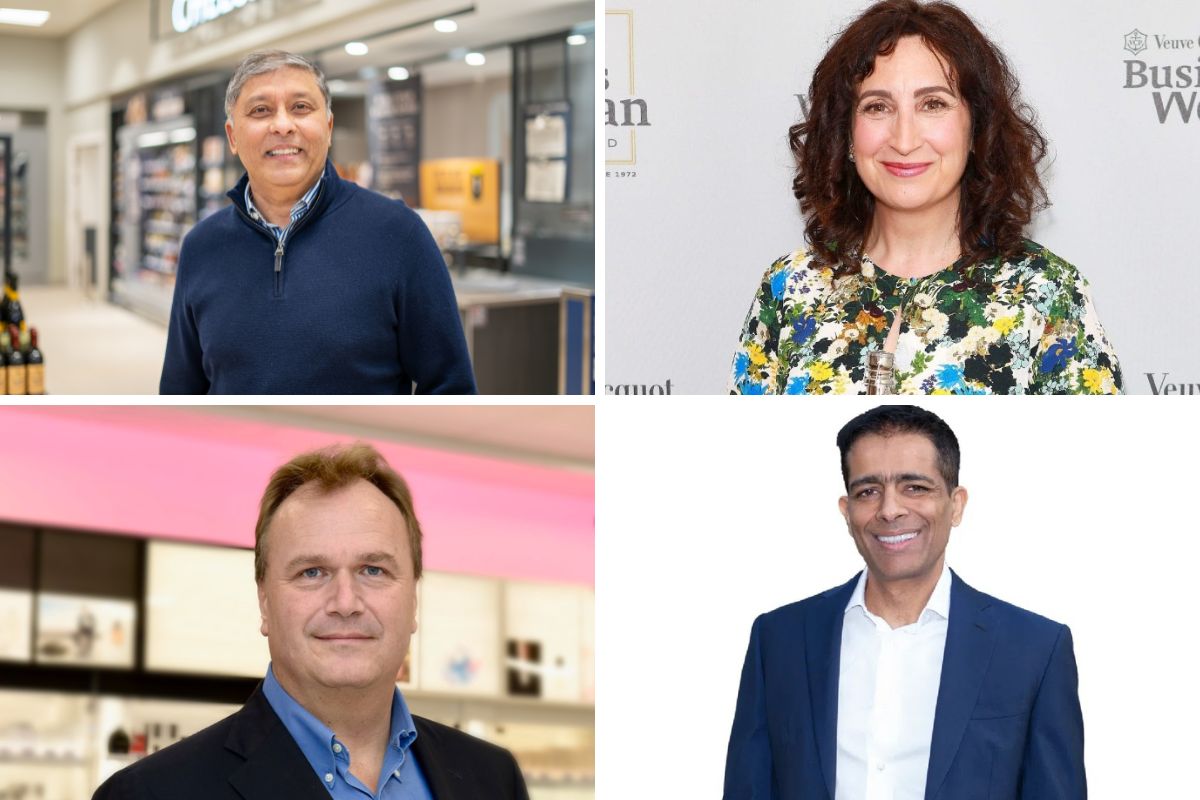

In recent months, several high-profile CEOs have departed from major retailers. This trend reflects significant shifts within the industry.
- John Lewis and Matalan witnessed leadership changes, with their CEOs stepping down to adopt different roles or pursue new ventures.
- Selfridges experienced a CEO transition as Andrew Keith left, with André Maeder stepping in to continue the retail giant’s trajectory.
- Mohsin Issa of Asda moved on, with management reshuffling under chairman Lord Rose, who shared mixed feelings on Issa’s tenure.
- CEO replacements in Hotel Chocolat, Boots, and Burberry signal ongoing transformations, impacting strategic goals and market dynamics.
In an industry marked by increasing complexities and rapid transformations, several high-profile exits from the helm of major retailers have surprised many in recent months. John Lewis Partnership saw its CEO, Nish Kankiwala, transition back to a non-executive role after an intense period of transformation. His tenure was pivotal in supporting the retail chain through a crucial phase, and his future role will continue to be advisory under the new leadership of Jason Tarry. Kankiwala expressed pride in the accomplishments achieved and confidence in the incoming leader, emphasising a seamless transition.
Similarly, Andrew Keith from Selfridges departed to explore new ventures, having previously contributed to maintaining the department store’s esteemed reputation. André Maeder, recently appointed as the Selfridges Group CEO, steps in, tasked with guiding the organisation forward. Keith’s departure was amicable, marking a fitting transition at a time when the store was poised for fresh opportunities.
In the case of Matalan, Jo Whitfield stepped down after a relatively brief tenure to pursue a broader career path. Her leadership was marked by significant progress in restructuring and reinforcing the brand’s core values. The organisation is actively seeking Whitfield’s successor, with their chair, Karl-Heinz Holland, temporarily overseeing her responsibilities.
Mohsin Issa, a key figure in Asda’s growth, stepped aside to focus on his role with EG Group. His tenure at Asda was characterised by strategic shifts towards convenience and digital engagement. While Lord Rose acknowledged Issa’s contributions, he also alluded to a need for different leadership to drive the next phase of Asda’s evolution.
In Hotel Chocolat, Lysa Hardy’s promotion to CEO represents a strategic restructuring as Angus Thirlwell transitions to president following Mars’ acquisition. Hardy, instrumental in substantial company growth, is seen as the right leader to navigate the brand’s new direction.
Additionally, Boots saw Seb James leave for a healthcare leadership role, succeeded by Anthony Hemmerdinger, an internal promotion likely to sustain the retailer’s growth momentum. The decision underscores the retailer’s internal strength and continuity strategy.
Likewise, Burberry replaced its CEO, Jonathan Akeroyd, with Joshua Schulman amidst financial challenges and a transformation strategy aimed at rejuvenating the brand’s market position. Schulman faces formidable tasks in steering the luxury brand back to prominence.
The numerous CEO changes across these retail giants highlight a period of significant strategic transitions, impacting the industry’s future landscape.
