
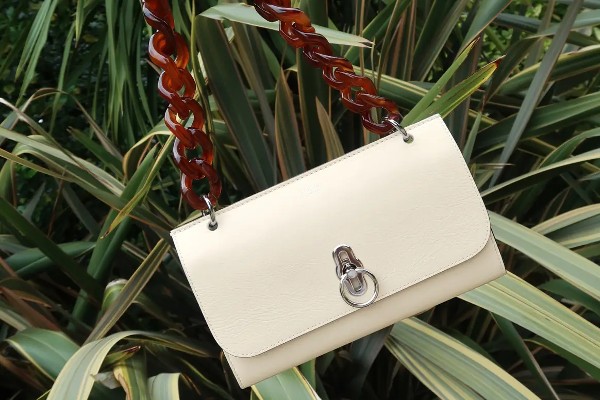

Frasers Group, led by Mike Ashley, has escalated its acquisition efforts regarding Mulberry by enhancing its proposal to a striking £111 million, merely days after the initial bid faced rejection. This bid adjustment underscores the intensified intent of the group to secure a controlling stake in the luxury fashion retailer.
Mulberry, a prestigious name in luxury fashion, recently turned down an £83 million offer from Frasers. The revised proposal now affords shareholders 150 pence per share—representing a substantial 50% premium above the brand’s recent fundraising price. This strategic move by Frasers signals a rapid advancement in their acquisition strategy.
Strategic Bid Adjustment
The decision by Frasers Group to raise its offer for Mulberry came on 10 October, valuing the fashion retailer at a remarkable £111 million, up from the initial £83 million proposal. The revised offer presents a significant 50% premium on Mulberry’s recent fundraising price, with shareholders being offered 150p per share in cash. This strategic adjustment was necessitated after the previous bid faced outright rejection from Mulberry’s board.
Rejection and Rationale
This move by Mulberry indicates a strong confidence within the board regarding the brand’s growth trajectory. They seem determined to secure a valuation that aligns more closely with their future aspirations. This interplay between Frasers’ aggressive acquisition attempts and Mulberry’s defensive stance reflects a typical strategic dance in high-stake takeover scenarios.
Market Reactions and Shareholder Implications
Such strategic share acquisitions are not uncommon in takeover attempts, often aimed at strengthening the bidding party’s influence over the target company. Given the UK’s stringent takeover rules, Frasers must proceed with a formal offer by 28 October or retract its interest in Mulberry— a deadline that adds a layer of urgency to ongoing negotiations.
Comparative Industry Movements
Frasers’ approach to acquisitions is strategic, considering both organic growth opportunities within its current holdings and explorative investments in complementary sectors. The Mulberry bid represents one facet of a broader effort by Frasers to enhance its market positioning and expand its portfolio in luxury fashion.
Regulatory and Competitive Considerations
The juxtaposition of regulatory adherence with competitive strategy is intricate. Frasers must balance the necessity to comply with legal frameworks while aggressively pursuing expansion objectives to outpace rivals. This nuanced balancing act exemplifies the complexities inherent in orchestrating high-profile acquisitions.
Potential Future Developments
Entities within the fashion industry are keenly observing this unfolding acquisition, aware that its results could signal broader trends in future market consolidation. Frasers’ persistent efforts reaffirm its strategic focus on bolstering its luxury brand portfolio, positioning itself as a formidable force within the industry.
Conclusion of Strategic Bid
The implications for both Frasers and Mulberry are manifold, with potential shifts in market power and strategic directions. The unfolding developments leading up to the October deadline will be telling of Frasers’ resolve and the broader industry repercussions of such a high-stakes acquisition attempt. Stakeholders will remain vigilant as pivotal decisions unfold.
In conclusion, the intensified takeover bid by Frasers Group reflects a strategic initiative to secure and expand its footprint in the luxury fashion domain. This dynamic acquisition attempt not only spotlights Frasers’ ambitions but also signals potential shifts within the market, as industry observers keenly await the outcome.
The developments in this high-profile acquisition bid underscore the strategic complexities and competitive intricacies inherent in the luxury retail sector. As Frasers navigates these challenges, the broader implications for the market remain a focal point of industry speculation and analysis.
