
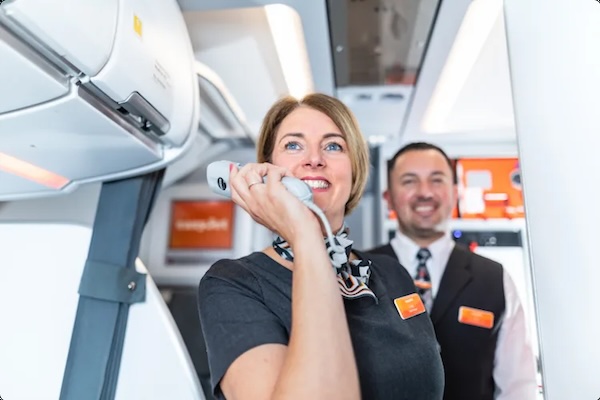

EasyJet cabin crew are set for a significant pay adjustment, with salaries rising by 20% from May 1.
This increase forms part of a broader effort to enhance working conditions, including a 3% boost in variable pay for flight attendants, reflecting their crucial role.
Pay Rise and Its Impact
The announcement of a 20% pay increase for EasyJet cabin crew forms part of an 18-month comprehensive agreement. This pay rise is a significant development in the aviation sector, reflecting ongoing efforts to improve working conditions for airline staff. In addition to the basic pay increase, cabin crew will see an additional 3% rise in variable pay, further enhancing their earnings.
Variable pay is determined by the distance covered in flights; longer flights generate more income for the crew. This structure highlights the flexible earnings potential for flight attendants, aligning compensation with work intensity and complexity. Alongside this, cabin managers and probationary cabin managers are set to receive a one-off payment, bolstering their overall compensation package.
Policy Adjustments and Agreements
Unite, the union representing EasyJet’s cabin crew, negotiated policy adjustments alongside the pay rise. One of the key changes is the introduction of compensation for crew members when flight services are delayed by over an hour. This initiative includes a payment of £15 per crew member for delays exceeding sixty minutes. If delays surpass two hours, this payment is doubled, offering additional financial security for staff inconvenienced by operational disruptions.
Such policy changes aim to address the immediate needs of the cabin crew during unforeseen delays, promoting a more supportive work environment. These measures are part of broader strategies aimed at enhancing job satisfaction and minimising the challenges faced by crew during disrupted services.
Union’s Role and Statements
Lindsey Olliver, a regional officer at Unite, emphasised the achievements made through collective bargaining. The union’s proactive stance highlights the vital role of negotiations in securing better pay and working conditions for its members. Olliver stated, ‘Through the union’s collective strength and solid negotiations, we have achieved a significant pay increase for our members.’
This pay agreement underscores the union’s capability to leverage its influence, advocating for the rights and benefits of its members. Unite’s involvement remains a testament to the importance of representation in labour discussions, ensuring that employee voices are effectively heard and considered in high-level corporate decisions.
Unite’s General Secretary, Sharon Graham, also reiterated the organisation’s commitment to securing better employment terms. Graham pointed out, ‘Unite is steadfast in its mission to secure better pay, jobs and conditions, and it is excellent that our hardworking members at EasyJet receive a historic pay increase.’
Receiving Recognition and Value
The updated compensation structure is not merely a victory in terms of financial gain but also serves as a formal recognition of the essential role cabin crew play in the airline’s operations. By acknowledging the demands and challenges faced by frontline staff, EasyJet is taking significant steps towards supporting and valuing its employees.
Recognition of frontline staff contribution is integral to the airline’s operational success, given that cabin crew interactions form a primary aspect of passenger experience. This pay rise and the accompanying policy changes signal a recalibration of employee value, ensuring that those who are pivotal to customer satisfaction are duly appreciated.
These enhancements highlight EasyJet’s commitment to fostering a work environment that values and supports its workforce, ultimately contributing to the airline’s sustained efficiency and reputation in the aviation industry.
Strategic Negotiations and Future Implications
The negotiations between EasyJet and Unite are indicative of the strategic efforts by unions to secure improved conditions for workers in the aviation industry. Such agreements set a precedent for future negotiations within the sector, potentially influencing how other airlines approach employee compensation and welfare.
Future implications of this agreement extend beyond EasyJet, as it may prompt other airlines to reassess their employment terms to remain competitive and attractive to skilled personnel. The aviation industry could observe a shift towards more employee-centric practices, driven by the necessity to retain talent amidst growing demands for better workplace conditions.
As the airline industry continues to adapt to post-pandemic challenges and operational disruptions, agreements like these are vital for aligning company policies with employee expectations, ensuring a motivated and efficient workforce.
Broader Context and Industry Trends
This move comes amidst broader trends within the airline industry, where companies increasingly recognise the importance of equitable pay and supportive policies as crucial for sustainable growth. Ensuring the welfare of front-line staff has become a priority, as airlines strive to maintain high service standards while navigating economic pressures.
Given the competitive nature of the airline sector, such progressive agreements may catalyse further improvements in employment practices. By setting new standards, EasyJet’s agreement showcases industry trends towards comprehensive employee support, enhancing both job satisfaction and operational productivity.
Overall, the sector is witnessing a paradigm shift, emphasising the need for robust employee relations as a pillar of long-term success and operational resilience.
Stakeholder Reactions and Future Prospects
The pay rise agreement has been met with favourable reactions from various stakeholders, who view it as a positive development in employee relations within the aviation sector. Employees and trade unions alike see this as a step forward in recognising and rewarding the contribution of essential workers.
For EasyJet, these changes are expected to bolster employee morale and foster a positive corporate image, potentially influencing customer perceptions and investor confidence. This development marks a significant milestone in the airline’s efforts to enhance its workforce policies amidst competitive pressures and evolving industry standards.
Looking forward, stakeholders anticipate that this agreement will pave the way for continued enhancements in labour relations, setting the stage for further advances in compensation and working conditions within the airline sector.
Conclusion
In conclusion, the 20% pay rise and associated policy changes represent a transformative approach in EasyJet’s engagement with its workforce. The agreement not only acknowledges the critical role of cabin crew but also addresses broader industry challenges, setting a benchmark for future labour negotiations.
The deal not only recognises the indispensable contributions of the cabin crew but establishes a precedent for improved workforce relations across the airline industry.
