
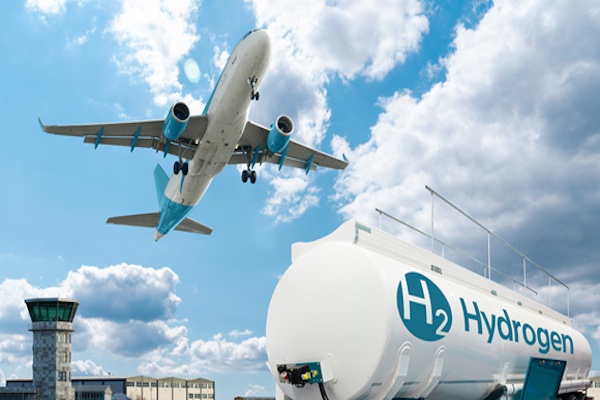

A groundbreaking hydrogen fuel trial has been conducted at Bristol Airport, marking a significant step in the aviation sector’s evolution. This trial by EasyJet is pivotal for future sustainability in air travel.
The collaboration with major stakeholders aims to create foundational safety and regulatory frameworks for hydrogen use. This innovation positions the UK at the forefront of aviation technology, paving the way for a new era of low-emission air travel.
EasyJet, in partnership with Bristol airport, has initiated Project Acorn, a significant trial examining hydrogen’s potential in aviation. The project marks the UK’s first foray into using hydrogen for airside refuelling, showcasing its potential to transform airport operations. The collaboration involved diverse stakeholders, including Cranfield Aerospace Solutions, Cranfield University, and the IAAPS research institute.
Successful execution of Project Acorn was made possible through a collaborative network of industry partners. Organisations like Connected Places Catapult, DHL Supply Chain, and Fuel Cell Systems were instrumental in the trial.
These partnerships reflect a collective effort to harness hydrogen technology, leveraging expertise from various sectors to drive aviation sustainability.
Cranfield University’s involvement enabled rigorous academic scrutiny, ensuring the project’s outcomes are underpinned by scientific research.
Such collaborations set a benchmark for future projects aimed at reducing aviation’s carbon footprint.
This trial signifies more than just technological advancement; it represents a sustainable shift in how the aviation industry approaches fuel consumption, with far-reaching implications for future generations.
Project Acorn at Bristol Airport stands as a hallmark of innovation in aviation, heralding a new era of sustainable practices. The trial’s success paves the way for further integration of hydrogen fuel, setting a global benchmark.
As aviation’s future leans towards cleaner energy, projects like this will contribute significantly to achieving carbon-neutral goals, steering the industry towards a sustainable horizon.
