
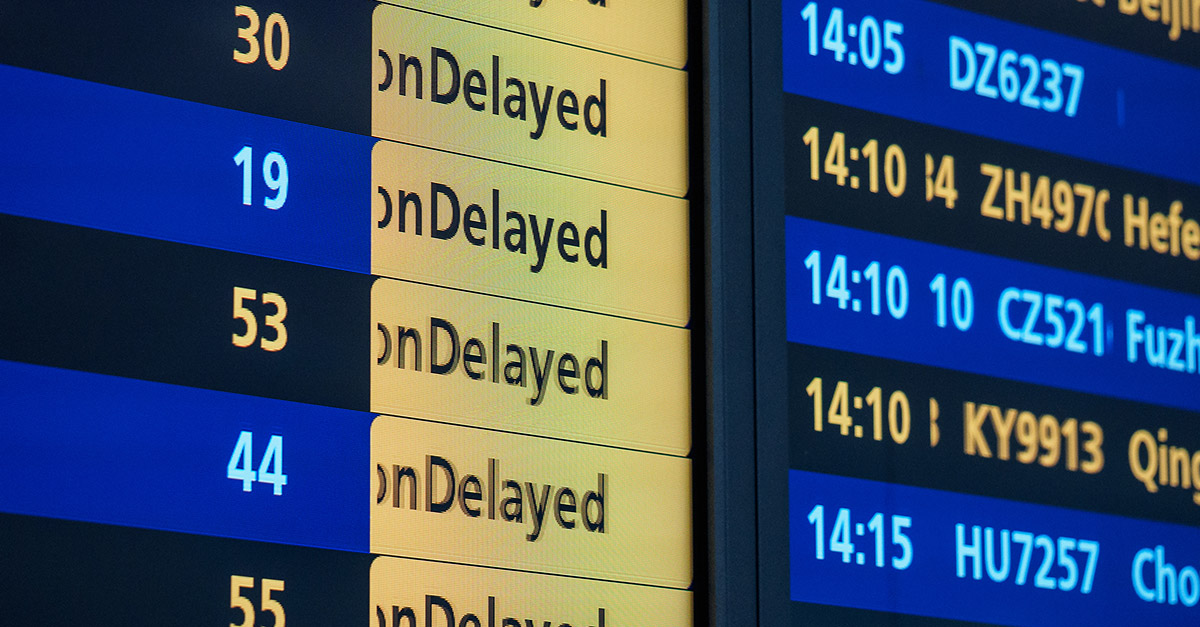

The European Court of Justice (ECJ) has delivered a ruling supporting airlines in cases of flight delay compensation. The court’s decision highlights staffing shortages as potentially “exceptional circumstances.” The implications for passengers are significant.
The ECJ’s decision arose from a case under EU Regulation 261, concerning passengers’ rights. It involved a three-hour delay for a flight from Cologne to Kos, attributed to staffing shortages and a minor weather delay. This regulation mandates airlines compensate for delays over three hours, except in exceptional circumstances.
Upon appeal, the German court sought the ECJ’s viewpoint. The European Court ruled that the local court should determine the facts but agreed that shortages managed by third-party staff could be deemed extraordinary. Consequently, this ruling introduces complexity in interpreting what constitutes unavoidable circumstances.
This decision could set precedents affecting future cases. Passengers might face increased challenges in receiving compensation, prompting potential policy reviews by airline companies. Meanwhile, airlines must maintain evidence, underscoring efforts to mitigate delay causes to avoid compensation liabilities.
Experts anticipate increased judicial scrutiny of claims involving third-party service providers. Such evaluations could redefine the operational responsibilities of airlines and their partners, potentially reshaping industry standards.
Through such rulings, the ECJ not only resolves specific disputes but also guides future legal interpretations. The court’s decisions often serve as benchmarks, influencing national courts’ approach to similar cases, thus harmonising judicial approaches across Europe.
Conversely, passenger rights groups express concern. They argue that the ruling could undermine consumer protection, making it harder to claim compensation. This dichotomy in perspectives underscores the balancing act between operational practicality and consumer rights.
The evolution of compensation norms could lead to increased lobbying for regulatory amendments. It poses critical questions about equitable treatment for passengers amidst operational realities, requiring dynamic cooperation between airlines and regulatory bodies.
The ECJ’s recent judgment underscores the complexity of aviation compensation laws. By recognising staffing shortages as potential exceptional circumstances, the court influences future claims significantly. This ruling is a reminder of the ongoing discourse between passenger rights and operational hurdles in the air travel industry.
