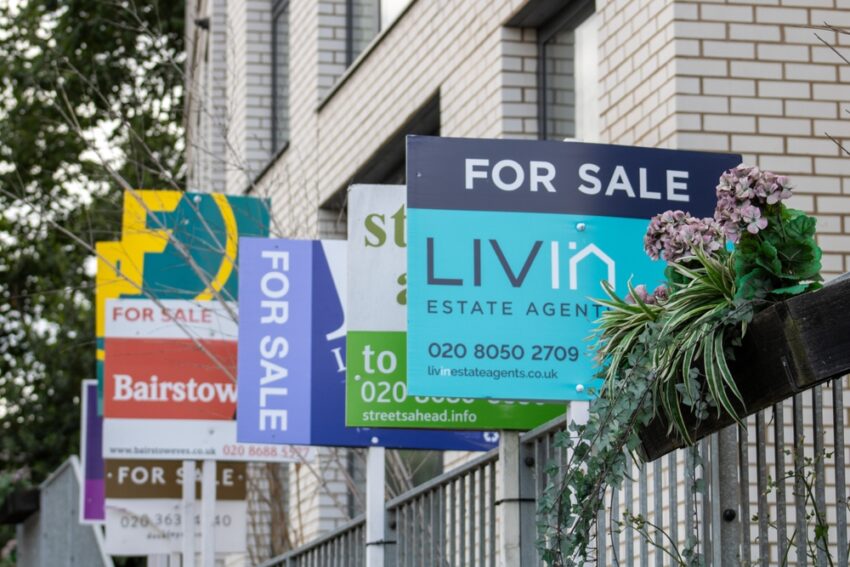
The property market is witnessing a notable shift as a third of homes for sale are now chain-free. This change comes as landlords and second-homeowners rush to divest their properties in anticipation of potential tax adjustments.
According to Zoopla, these dynamics are not just shaping the volume of available homes but are also influencing pricing trends across different regions.
Increase in Chain-Free Listings
According to Zoopla, one-third of homes listed for sale are now chain-free, as concerns about impending tax changes prompt landlords and second-homeowners to sell. The surge in chain-free properties is notably significant in London, where two- and three-bedroom houses have become prominent in the market, reflecting previous rental or secondary home ownership.
The Role of Falling Mortgage Rates
The property market is also being influenced by decreasing mortgage rates. The Bank of England’s data shows a significant drop in the average rate for a five-year, 75% loan-to-value mortgage, now at 4.3% compared to 5.5% the previous year. This reduction is encouraging more homeowners to enter the market, further increasing the availability of properties for potential buyers.
Additionally, the decrease in mortgage rates is leading to more movement in the housing sector, as homeowners who delayed selling during the higher rate periods now find a more conducive environment for transactions. This shift is providing buyers with a more diverse range of options.
Tax Implications and Market Dynamics
Potential changes in the capital gains tax are a significant factor driving the current housing market trends. There is widespread speculation about an increase from the current basic rate of 18%, motivating landlords to sell their properties before the expected tax changes take effect.
Coastal areas are experiencing the most notable impact, with local councils planning to double council tax for second homes in the coming year. This has led to substantial increases in property listings in towns like Truro and Torquay, where listings have jumped by 40% as second-homeowners seek to divest.
Market Discrepancies and Regional Variations
Despite the overall increase in house prices reported by Zoopla of just 0.7% over the past year, data from Nationwide indicates a different trend, with a previous drop influencing current figures. The discrepancies in data reflect broader economic conditions and regional variations.
House prices have experienced a decline in regions such as the South West, South East, and East of England, primarily due to ongoing affordability challenges. Conversely, Northern Ireland has witnessed a substantial increase, with a reported 5.7% rise in house prices over the past year.
Future Market Outlook
Looking ahead, Zoopla anticipates that house prices will continue to rise, albeit at a modest pace, due to the increasing supply of homes on the market. The anticipated tax changes and mortgage rate trends will likely shape the market’s trajectory.
Continued speculation on tax policies may keep the market dynamic and challenging for both buyers and sellers. However, the increased availability of chain-free homes may create more opportunities for strategic investments in the property sector.
Insights from Industry Leaders
Richard Donnell, executive director at Zoopla, highlights the expanded housing supply as a benefit to buyers. More options in the market are expected to maintain house price stability, keeping inflation in check into 2025.
Donnell’s insights suggest that while challenges remain in certain regions, the overall outlook for the housing market remains cautiously optimistic. The balance between supply and demand will be critical in shaping future market conditions.
Concluding Thoughts
The current influx of chain-free homes provides a unique opportunity for buyers amid potential tax changes. As the market adjusts, strategic decisions by buyers and sellers will play a crucial role in navigating these evolving dynamics.
As the property market adapts to impending tax changes and mortgage rate fluctuations, chain-free homes present a significant avenue for potential buyers. While some regions see price stagnation, others experience growth, highlighting the intricate balance of factors at play.
The evolving dynamics of the housing market underline the importance of informed decision-making for both buyers and sellers in these uncertain times.