

In a state striving for recovery post-hurricane, Florida’s key airports are on the verge of reopening. The aftermath of Hurricane Milton has left over three million residents without power and has tragically claimed lives. Yet, the collective resilience and expedited response efforts offer a promising outlook for the region’s air travel revival.
As the hurricane’s impact begins to recede, Tampa and Orlando airports are at the forefront of reopening efforts. Alongside transportation hubs, tourist attractions and communities are also showing signs of swift recovery, all eager to embrace a return to normalcy.
Florida’s Resilient Reopening
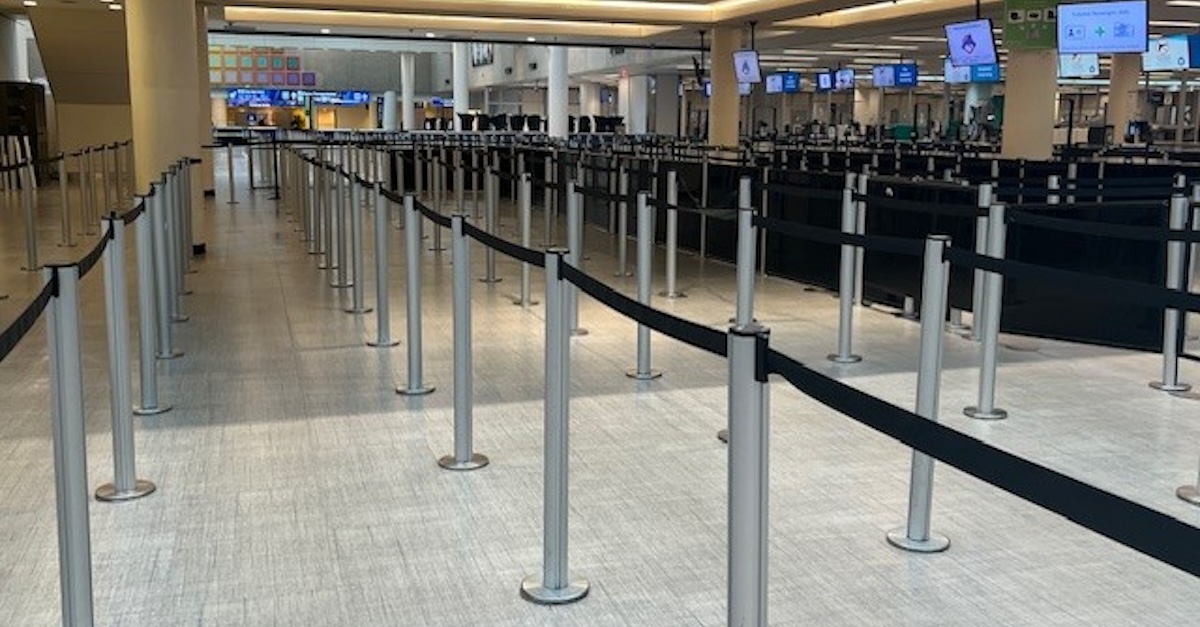
In the wake of Hurricane Milton, several major airports across Florida are preparing to open their doors once again after substantial disruptions. The devastation wrought by the hurricane includes leaving over 3.5 million households without electricity and resulting in at least ten fatalities, with numbers expected to rise. Tampa International Airport, after a three-day suspension of flights, announced plans for reopening, albeit with extensive repairs needed due to harsh wind and rain damage. Cleaning operations are ongoing, alongside efforts to address staffing challenges following mass evacuations. Simultaneously, Orlando International Airport has allowed limited domestic arrivals and anticipates a full reopening of services soon. These resilient responses underscore Florida’s efforts to return to normalcy expediently.
Tourist Attractions and Community Reactions
Local attractions have also felt the hurricane’s impact. Walt Disney World Resort announced its theme parks and Disney Springs are slated to welcome visitors again, emphasising a swift recovery process. Experience Kissimmee reported only minor disruptions to tourism infrastructure, highlighting the rapid mobilisation of local emergency services to secure affected areas. Furthermore, the tourism sector praised communities’ proactive measures with gratitude for the limited damage, which allows for a focus on restoring business operations and attractions quickly. The Monroe County Tourist Development Council shared that the Florida Keys experienced minimal impact from the storm. This positive outlook has facilitated the reopening of area attractions and state parks, thereby supporting local economies heavily reliant on tourism.
Maritime and Port Operations
Post-hurricane assessments have been crucial for maritime activities. Port Miami and Port Everglades have resumed operations, contributing to the resumption of trade and travel routes. Conversely, Port Tampa Bay and Port Canaveral remain temporarily inactive, pending essential evaluations and the restoration of power. While significant dock damage has been avoided, building repairs continue to pose challenges. Stakeholders remain optimistic about resuming full maritime operations shortly, which will significantly aid in alleviating logistical bottlenecks in the region once resolved.
Corporate and Community Support
Norwegian Cruise Line Holdings has stepped up support by offering $80,000 to the American Red Cross, enhancing relief efforts for the affected localities. This follows their previous contributions to aid after Hurricane Helene. Norwegian’s commitment to match further public donations underscores the industry’s solidarity in challenging times. The emphasis on corporate social responsibility is evident as companies rally to assist communities in rebuilding and recovery. This concerted effort is crucial not only for immediate relief but also for reinforcing long-term resilience strategies within vulnerable regions.
Strategic Infrastructure Revitalisation
Amid the urgency to restore Florida’s infrastructure, state and local authorities are concentrating on strategic planning to reinforce their preparedness against future calamities. While current recovery actions are in full swing, plans to enhance infrastructure resilience are concurrently being discussed. These discussions align with wider community and business interests to mitigate potential future disruptions. The focus is not only on repair but fortification, aimed at increasing the durability and reliability of essential services during adverse weather events. Overall, these strategic efforts are necessary to ensure both short-term recovery and long-term resilience.
Timelines for Recovery and Resumption
Central to the recovery agenda is establishing clear timelines for when all services can resume safely. Florida aims for an expeditious restoration of normal operations, balancing speed with thorough safety checks and essential repairs. While air and maritime operations are paramount, ensuring safe highway and road conditions for terrestrial travel also forms a significant part of recovery plans. These timelines are dynamic, with continuous evaluations informing adjustments to ensure the most effective recovery process.
Public Communication and Awareness
Effective communication remains vital in coordinating recovery efforts. Florida authorities are actively disseminating updates via official channels to keep the public informed. This transparency serves to manage expectations and mobilise community support as the state works towards rehabilitating services and infrastructures. Information about power restoration and service resumption is being prioritised, creating clarity and reducing uncertainty among residents and visitors alike. The state’s commitment to openness enhances trust, supporting cooperative efforts in these crucial times.
In conclusion, despite the destruction wrought by Hurricane Milton, Florida is demonstrating noteworthy resilience. Collaborative recovery initiatives highlight the state’s commitment to ensuring safety and restoring normalcy for residents and visitors alike.
These efforts, combined with the strategic revitalisation of infrastructure, will play a crucial role in safeguarding against future disturbances, ensuring Florida remains a robust and reliable destination for travel and tourism.
