
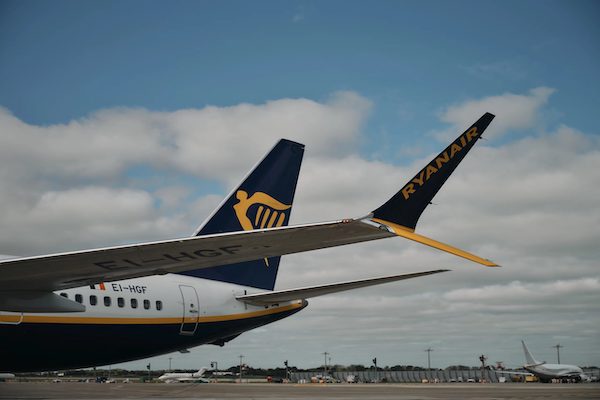

Ryanair has announced a significant reduction in its operations in Germany, cutting its capacity by 12% for the summer of 2025. This decision comes as a result of ongoing disagreements over aviation taxes, which the airline claims are inhibiting recovery and growth.
Ryanair is set to cancel 22 routes across Germany, resulting in a reduction of 1.8 million seats. This move is attributed to disagreements with the German government over aviation tax, security, and air traffic control fees, which the airline views as exorbitant. The closure of operations in Dortmund, Dresden, and Leipzig, coupled with a 60% reduction in Hamburg, is expected to have a devastating impact on jobs, tourism, and connectivity in Germany.
Ryanair is not alone in its concerns about Germany’s aviation taxes. Lufthansa has also voiced its objections, and easyJet has reduced its services in the country. The burden of increased costs is viewed as a hindrance to the sector’s recovery.
Despite repeated appeals, the German government has not shown signs of amending its approach. This has led Ryanair to implement strategic cuts to its operations in response to the financial strain imposed by these policies.
Ryanair’s reduction in German capacity is reflective of a wider discontent among carriers operating within the country. The financial burden of heightened taxes and fees is a recurring theme in industry discussions.
The aviation sector argues that without a reassessment of the fiscal strategies impacting airlines, the German market may continue to lag behind its European counterparts in post-pandemic recovery.
The sustainability of such operations will hinge on negotiations and potential policy reforms that address airline concerns more effectively.
The strategic reduction of Ryanair’s German capacity is a decisive response to lasting fiscal challenges. It underscores the tension between governmental tax policies and airline recovery efforts.
Ryanair’s operational cuts serve as a stark reminder of the broader challenges facing the aviation industry in Germany. Unless there is a shift in fiscal policy, the German market’s recovery may remain sluggish compared to its European neighbours.
