
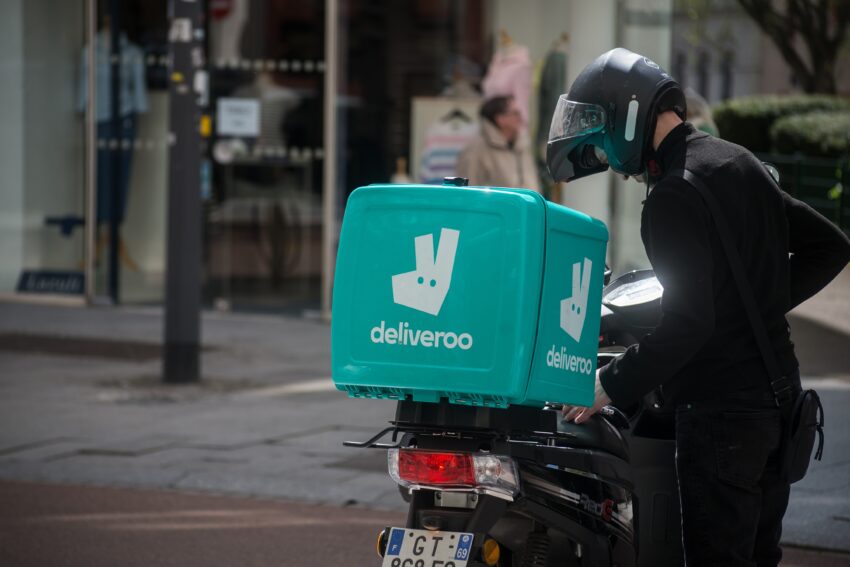

In a strategic business move, Deliveroo CEO Will Shu has divested £15 million in company shares following Deliveroo’s first recorded profit. This transaction highlights a shift in Shu’s personal investment strategy as the company gains financial momentum.
Deliveroo’s recent financial achievements mark a significant turnaround, showcasing increased investor confidence. The share sale, while personal, reflects broader market strategies aimed at sustaining Deliveroo’s growth trajectory and shareholder value.
CEO’s Strategic Share Sale
Between September 12 and September 16, Will Shu, CEO of Deliveroo, sold 9.4 million shares valued at £14.8 million. This sale was aimed at funding personal property investments, a financial strategy Shu has opted for amidst Deliveroo’s evolving market position. Despite this substantial sell-off, Shu retains a considerable stake, holding on to 95.8 million shares. This indicates his continued confidence and vested interest in the company’s future. The company clarified that Shu does not participate in annual bonuses or long-term share award schemes, presenting this move as purely personal and strategic.
The timing of Shu’s share sale aligns with Deliveroo reporting its first profit post-IPO. Announcing a £150 million share buyback, Deliveroo has demonstrated its commitment to reinforcing shareholder value and market stability. Since its high-profile IPO, Deliveroo’s stock has fluctuated, yet the recent financial uptick has spurred investor optimism. The company’s share price has surged by almost 30% over the past year, signalling renewed investor sentiment.
Financial Turnaround and Market Response
Deliveroo’s financial report for the six months ending in June indicates a promising turnaround, with a reported profit of £1.3 million. This marks a significant shift from the £82.9 million loss recorded in the same period the previous year. The rise in profit underscores a robust recovery and improved operational efficiency.
The company’s order volume increased by 2%, reaching 147 million orders. Simultaneously, Deliveroo’s gross transaction value experienced a 5% uplift, amounting to £3.69 billion. These figures have benefitted from steadying food prices and a stabilising cost of living, factors that have collectively bolstered consumer demand.
Founded in London in 2013, Deliveroo has grown substantially. Starting with Shu personally delivering food, it now boasts operations in ten markets with a robust network of 140,000 riders and 180,000 restaurant partnerships. However, these successes have been tempered by the tumultuous journey as a public company.
Initial Public Offering and Market Challenges
Deliveroo’s IPO in April 2021, which valued the company at £7.6 billion, faced initial setbacks. On its debut, the company witnessed a drastic 30% drop in share price. This dip was attributed to concerns over its business model and the legal status of its riders.
The pandemic period saw Deliveroo thrive as demand for delivery services soared. With hospitality venues closed, the company capitalised on the home delivery trend. However, post-pandemic, as the cost of living crisis emerged, Deliveroo faced challenges in sustaining its momentum.
To navigate these challenges, Deliveroo diversified its operations. A strategic partnership with B&Q to deliver non-food goods, such as home improvement items, marked a notable expansion. Such collaborations aim to leverage Deliveroo’s logistical capabilities beyond food delivery, broadening its business scope.
Investor Confidence and Stock Performance
Despite the recent share sale by CEO Shu, Deliveroo’s stock demonstrated resilience. The share price exhibited slight growth, closing marginally higher. This indicates that investors maintain a positive outlook on the company’s strategic initiatives and financial health.
Investors seem reassured by Deliveroo’s strategic direction and strong performance metrics. The £150 million share buyback plan further instils confidence, highlighting Deliveroo’s commitment to driving shareholder value and providing a buffer against market volatility.
As Deliveroo continues to refine its business model and explore new market opportunities, investor focus will likely centre on its ability to maintain profitability and growth amidst competitive pressures.
Leadership and Strategic Direction
Will Shu’s leadership continues to be pivotal to Deliveroo’s strategic direction. As the company navigates the complexities of the post-pandemic market, Shu’s choices, including share sales and reinvestments, reflect a tailored approach to business management.
Deliveroo’s efforts to stabilise and grow are evident in its strategic partnerships and financial strategies. By opting to expand and diversify, Deliveroo positions itself to adapt to changing market demands effectively.
The company’s financial prudence and innovative partnerships underscore its commitment to sustaining market relevance and achieving long-term business goals. Investors and stakeholders alike are keen on observing how these strategies unfold.
Outlook and Future Prospects
Deliveroo’s future appears promising given its recent financial performance and strategic initiatives. While challenges persist in the competitive landscape, the company’s adaptive strategies serve as a foundation for potential growth.
By mitigating risks through diversification and maintaining investor trust, Deliveroo is poised to navigate the market effectively. Its strategic focus on innovation and operational efficiency aligns with its broader vision to secure a leading position in the delivery industry.
As Deliveroo progresses, maintaining a balance between profitability and expansion will be critical. The company’s efforts to innovate while adhering to financial discipline will determine its sustained success.
Market’s Eye on Deliveroo’s Progress
The market remains keenly attentive to Deliveroo’s evolution. As the company implements its strategic plans, its ability to execute effectively will be closely scrutinised. Stakeholders are particularly interested in how Deliveroo will sustain its financial momentum.
Given the competitive nature of the delivery sector, Deliveroo’s strategies will be pivotal in maintaining its market position. Both investors and industry analysts are likely to monitor how the company navigates growth challenges and capitalises on emerging opportunities.
Deliveroo’s recent success and strategic decisions showcase its resilience and adaptability in a competitive environment. The focus remains on leveraging its market position for continued growth and profitability. As Deliveroo forges ahead, investor confidence and strategic innovations will be crucial in shaping its future.
