
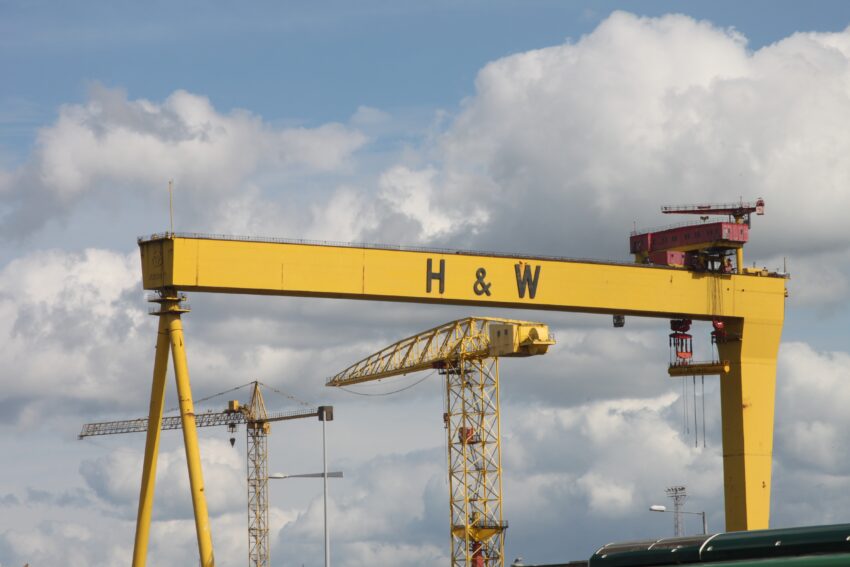

Harland & Wolff, the iconic shipyard in Belfast known for constructing the Titanic, is on the verge of entering administration. This crisis threatens a significant £1.6 billion contract with the Royal Navy, posing challenges to the future of domestic shipbuilding in the U.K.
The potential failure of this historic shipyard, pivotal to the U.K.’s defence sector, raises alarms about job security and national industry capabilities. As the company struggles financially, the government and industry stakeholders are urged to intervene swiftly to prevent a critical blow to the nation’s maritime heritage.
Immediate Threats to Shipbuilding
Harland & Wolff’s anticipated move into administration could drastically alter the landscape of the U.K.’s shipbuilding industry. The shipyard’s inability to meet financial obligations by month’s end has sparked concerns that the Fleet Solid Support ships might be constructed overseas—a departure from the Royal Navy’s tradition of manufacturing domestically.
Industry insiders warn that if Harland & Wolff defaults, the Ministry of Defence may have to resort to their Madrid-based partner Navantia to complete the contract. This shift would not only signify a loss of domestic production but potentially affect Britain’s strategic autonomy in defence capabilities.
Contractual and Economic Implications
The shipyard’s current predicament jeopardises its critical contract to assemble vessels vital for British navy operations globally. If administration proceedings unfold, there is a risk of the contract being re-tendered, potentially delaying the Royal Navy’s critical projects, and affecting U.K. maritime strategy and economic stability.
Navantia’s involvement could reshape ownership dynamics, as it might acquire Harland & Wolff’s Belfast facilities. Such a shift raises employment concerns, especially if the shipyard’s other sites in England and Scotland are excluded from future plans, amplifying fears of substantial job losses across these regions.
Union and Worker Concerns
Union representatives have voiced strong concerns about the prospective dismantling of Harland & Wolff’s assets, pressing for comprehensive strategies to prevent selective buyouts seen as harmful to national interests.
The GMB union, particularly vocal about safeguarding jobs, stresses that the shipyard’s sites are crucial not only for defence but also for renewable energy projects. They have appealed to the government to ensure all sites continue contributing towards these sectors.
Matt Roberts from GMB called any loss of contracts a betrayal of Northern Ireland’s industrial legacy, indicating the severity of potential socioeconomic impacts. His statement underlines the urgency for a coordinated approach to retain operational continuity and secure unionised workforce roles.
Company’s Position and Leadership
Despite the looming threat of administration, Harland & Wolff’s restructuring expert and executive chairman, Russell Downs, maintains that the company’s facilities are still viable. He insists the shipyards can fulfil their part of the Naval contracts, countering pessimistic narratives about their capability.
The announcement of a £25 million fund mismanagement under former leadership adds another layer of complexity. As investigations proceed, former CEO John Wood dismisses these allegations, yet they contribute to the mounting pressure on the current leadership to stabilise the company.
Government and Defence Critiques
Independent defence consultant Francis Tusa has criticised the Ministry of Defence’s decision to grant the shipbuilding contract to Harland & Wolff, citing its two-decade hiatus from large-scale shipbuilding as a factor in the current crisis.
Labour peer Lord Beamish advocates for maintaining domestic shipbuilding through a government-backed rescue strategy for the Fleet Solid Support programme. He emphasises the significance of supporting the Royal Navy’s operations and sustaining national shipbuilding capabilities.
The government has thus far refrained from offering public financial relief, arguing the market’s ability to address the crisis. Officials encourage cooperation with trade unions but stand firm against risking taxpayer funds in a potentially unstable investment.
Potential Resolutions and Future Outlook
With Harland & Wolff’s fate uncertain, discussions about involving other U.K. shipbuilders, such as BAE Systems and Babcock, have emerged as possible solutions to fulfilling the Royal Navy contract without further delays.
Trade unions and industry players continue to pressure the government to devise a sustainable plan that not only saves jobs but also upholds Britain’s shipbuilding history. An immediate focus on strategic collaboration is deemed essential to navigate this turbulent phase effectively.
The situation at Harland & Wolff underscores significant challenges within the domestic shipbuilding industry, calling for immediate and strategic intervention. The outcome of this crisis will likely shape the future of the U.K.’s maritime capabilities and industrial landscape, making it vital for stakeholders to act cohesively.
