
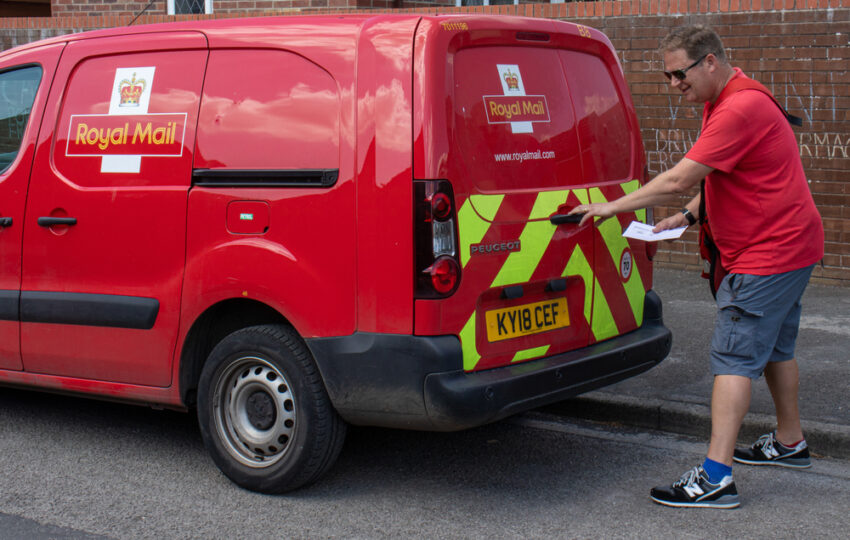

Royal Mail is wrestling with the need for critical reforms amidst financial strains and evolving postal demands. Its CEO, Seidenberg, stresses the necessity of government support for these postal modifications.
Highlighting the challenges faced by the Royal Mail, Seidenberg’s call for reform revolves around adjusting the outdated Universal Service Obligation. This transformation is essential for establishing a more sustainable and competitive postal and parcel service.
The Universal Service Obligation (USO) Debate
The Universal Service Obligation (USO) requires Royal Mail to provide universally priced deliveries across the UK, a mandate that is becoming increasingly problematic due to changing postal needs. Seidenberg, the CEO of Royal Mail, has highlighted the urgency of reforming this obligation. He warns that unless ministers back these changes, the consequences will inevitably burden the government.
Royal Mail has consistently lobbied both Ofcom and successive governments, underscoring the USO as a hurdle in its transformation journey from a letter-centric carrier to a formidable player in the parcel delivery market. With Ofcom’s upcoming consultation, slated for early next year, significant changes might be on the horizon, such as reducing delivery days and shifting focus to parcels.
Facing Financial Pressures
Seidenberg’s leadership has seen Royal Mail navigating a possible £3.57 billion takeover by EP Group, supported by its largest shareholder, Czech billionaire Daniel Kretinsky. Amid these negotiations, Royal Mail plans to increase the price of a first-class stamp by 30p to £1.65, a move intended to address urgent financial needs.
The Department for Business and Trade acknowledges the essential role of a reliable and affordable postal service for UK enterprises. Ofcom’s review aims to ensure the postal system aligns with contemporary usage patterns, with government deliberation on these recommendations ongoing.
Operational Challenges and Achievements
Under the stewardship of Seidenberg, Royal Mail has focused on operational efficiency and delivery improvement to cope with financial constraints and market share erosion. This includes hiring logistics experts and offering incentives for workers to meet performance targets, resulting in improved delivery success rates, notably during the last Christmas season.
Nevertheless, maintaining delivery targets remains challenging, with Royal Mail failing to meet its objectives for two years, potentially attracting Ofcom fines. Seidenberg underscores the necessity for USO reform to ensure Royal Mail’s future sustainability.
The shift in postal demand is undeniable, as seen in the drop in annual letter volumes from 20 billion in 2004-05 to just 6.7 billion today. Emphasising parcels as the future, Seidenberg remains committed to adjusting Royal Mail’s strategy to embrace this change.
The Path Ahead for Royal Mail
Despite the significant challenges, Seidenberg is optimistic about Kyle Kretinsky’s potential takeover, though he expresses concern over regulatory delays that may hinder progress. He reiterates the need for expedited action, particularly to ensure readiness for peak periods like the Christmas season.
Royal Mail’s strategic future hinges on adapting to parcel locker expansions and electrifying its vehicle fleet, innovation that positions them better in the evolving postal landscape.
The Department for Business and Trade, recognising the postal service’s criticality, is closely monitoring the situation, planning to make informed policy adjustments based on Ofcom’s eventual recommendations. Seidenberg has repeatedly urged both Labour and Conservative ministers to address these concerns with urgency.
Emphasising transparency, Seidenberg continues to advocate for transparency and swiftness in governmental response and action. His persistent calls echo his concerns for the company’s health should reforms continue to face delays.
Complete reliance on governmental and regulatory assurances isn’t feasible, hence Royal Mail’s proactive approach in redesigning its service delivery.
Operational Reforms Under Seidenberg
Efforts under Seidenberg’s leadership include hiring logistics experts to refine operational efficiency and introducing performance-based incentives. This led to the best Christmas delivery performance in four years, a commendable achievement amidst ongoing struggles.
The company remains adamant about the need for USO reforms. Without these changes, Seidenberg warns that long-term viability may be compromised.
The call for reform within Royal Mail reflects broader industry challenges in adapting to modern postal needs.
Seidenberg’s push for change signals a critical pivot towards ensuring future viability in the face of mounting pressures.
