
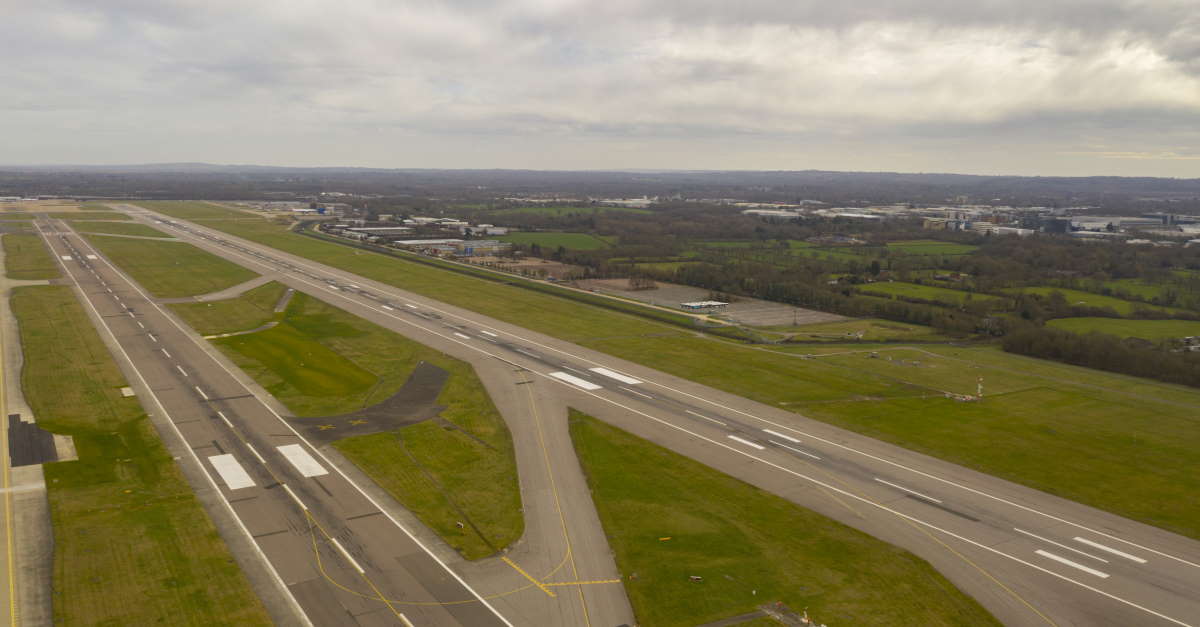

Gatwick Airport witnessed an unexpected disruption as a British Airways plane aborted its take-off due to brake overheating, leading to a temporary runway closure.
The swift response by Gatwick’s fire service ensured safety, though the incident caused considerable flight diversions and cancellations.
Incident Overview
Gatwick Airport faced an unexpected operational halt when a British Airways aircraft had to abort its take-off due to overheated brakes. This incident led to the temporary closure of the airport’s main runway. The situation was promptly handled with the airport’s dedicated fire service responding quickly to the emergency. The runway was back in operation after a 50-minute closure, as confirmed by a Gatwick spokesperson.
Impact on Flights
The temporary runway closure at Gatwick resulted in significant disruptions. Sixteen inbound flights were diverted during the closure, and twenty-three flights were cancelled altogether. The airport is working closely with its airline partners to manage delays and minimise passenger inconvenience.
Passengers are advised to check with their respective airlines for the most current updates on their flights. The knock-on effects of the incident are expected to cause delays beyond the initial reopening of the runway, affecting travel plans for numerous passengers.
Response Measures
Aviation safety remains a priority at Gatwick. A spokesperson emphasised the importance of the swift actions taken by the airport’s fire service to ensure the safety of the passengers and crew. British Airways commended its pilots for their cautious decision to abort the take-off, underscoring the airline’s commitment to safety.
British Airways stated, “Our pilots took the precautionary decision to cancel take-off due to a technical issue. Safety is always our top priority and we apologise to customers for the inconvenience caused.”
Technical Aspects
The issue reportedly stemmed from a technical fault resulting in the brakes overheating on the British Airways aircraft. This occurrence underscores the imperative of regular maintenance checks and swift response protocols to mitigate such disruptions in the future.
While no injuries were reported, the incident highlighted the critical importance of technical vigilance in ensuring the safety and efficiency of flight operations.
Passenger and Airline Coordination
Given the scale of disruptions, communication between airlines and passengers became crucial. Gatwick Airport is collaborating with airline partners to ensure that passengers receive timely and accurate information regarding flight schedules and any changes necessitated by the incident.
Passengers have been urged to remain in contact with their airlines for updates. This coordination is part of Gatwick’s broader strategy to handle incidents effectively, ensuring minimal impact on travellers.
Broader Implications for Gatwick
The incident at Gatwick is a poignant reminder of the challenges airports face in maintaining operational continuity amidst unforeseen technical situations. Such events necessitate comprehensive emergency protocols and highlight the role of competent personnel in crisis situations.
London Gatwick is already working on strategies to enhance its contingency measures, reinforcing its commitment to passenger safety and efficient airport operations.
Public Communications
Information dissemination played a pivotal role during and after the incident. Accurate and timely updates were provided to the public and passengers, reinforcing trust in the airport’s handling of emergencies.
Ensuring transparent communication in events like these is critical for maintaining public confidence and managing expectations around travel disruptions.
This incident underscores the importance of vigilant technical checks and effective emergency response in aviation.
Gatwick continues to prioritise safety and efficiency, working with airlines to manage the aftermath and minimise passenger impact.
