
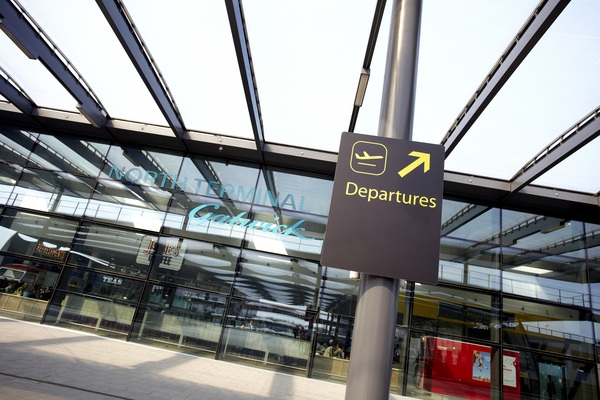

Gatwick Airport has announced an increase in its passenger drop-off charge, provoking widespread public criticism.
Starting from today, the fee for dropping off passengers at Gatwick Airport has risen from £5 to £6, sparking backlash from users on social media platforms.
The decision to raise the passenger drop-off charge at Gatwick Airport from £5 to £6 has sparked significant anger among the public. Many social media users have branded the increase as “shameful” and a “rip-off,” expressing their discontent across various platforms.
Such strong reactions highlight the chasm between public expectations and airport policies, with many questioning the justification behind the increment.
According to Gatwick Airport, the fee hike is aimed at reducing congestion and encouraging more passengers and staff to use public transport. The airport plans to reinvest the additional revenue in sustainable transport initiatives.
Despite this reasoning, sceptics remain unconvinced, particularly given the limited availability of alternative transport during early morning and late evening hours.
The increase in drop-off charges applies to all vehicles, including electric cars, affecting a broad range of drivers.
Gatwick Airport has offered the option of using long-stay car parks serviced by shuttle buses every 12 minutes as an alternative to avoid the charge. However, for many, the convenience of close proximity drop-offs outweighs the additional costs.
Drivers and passengers voice concerns over the practicality and efficiency of shuttle services, especially during peak travel times when time is often critical.
This is not the first time Gatwick has adjusted its drop-off charges; the initial £5 fee was introduced in March 2021.
The airport’s move to increment the charge further reflects ongoing strategies to manage traffic flow and financial viability amidst increasing operational costs.
Critics argue that the fee increase could exacerbate congestion rather than alleviate it, as passengers might resort to unauthorised drop-off zones.
The effectiveness of encouraging public transportation use, especially with the constrained train schedule servicing the airport, remains debatable.
Moreover, practical challenges such as limited train services during off-peak hours underline the complexities faced by both the airport and its users.
By reinvesting revenue from increased charges into sustainable transportation, Gatwick aims to enhance its environmental footprint.
However, the immediate economic burden on passengers adds a layer of complexity to the airport’s sustainability agenda.
Balancing financial goals with environmental responsibilities continues to pose a significant challenge for Gatwick and similar institutions.
Looking ahead, Gatwick Airport must consider the broader implications of its fee adjustments on passenger satisfaction and operational efficiency.
Maintaining transparency and open communication with the public could mitigate backlash and foster a more collaborative atmosphere between the airport and its users.
Gatwick Airport’s increase in passenger drop-off charges has ignited widespread debate, pitting operational necessities against public sentiment.
While seeking to advance sustainability goals, the airport must carefully navigate the complexities of cost burdens on travellers.
