
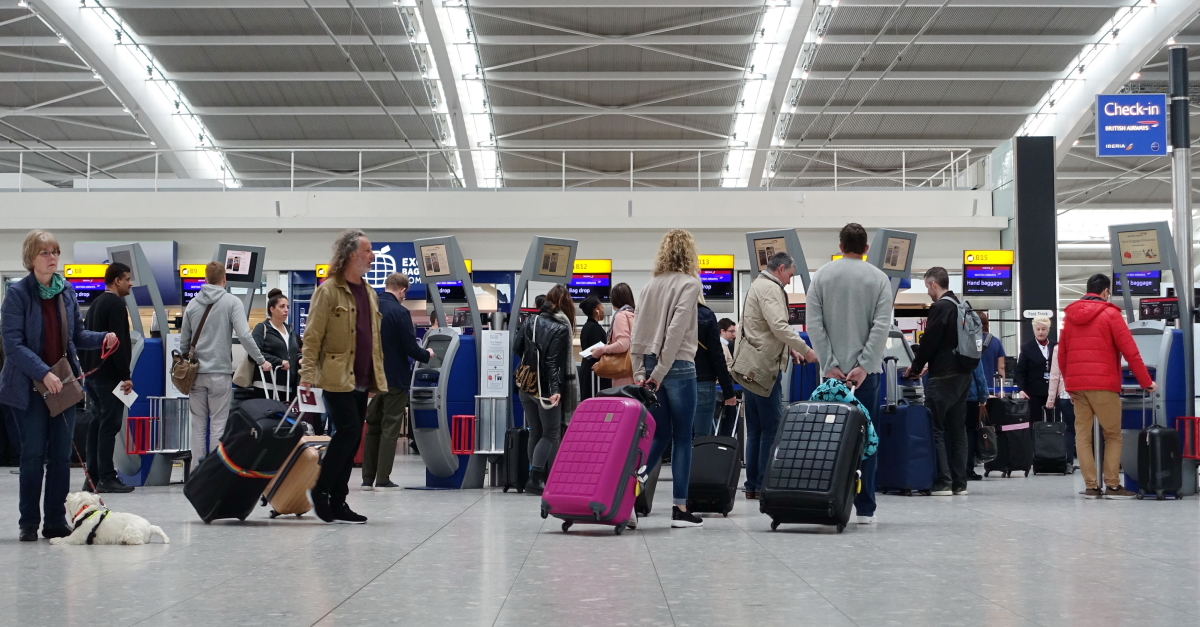

The travel industry is facing substantial challenges as global IT outages disrupt airlines, airports, and railways. Key transport hubs are experiencing technical difficulties, affecting thousands of passengers worldwide.
In the wake of a significant IT breakdown, Microsoft’s software issues have caused widespread havoc in the travel sector. With numerous airports across the UK and abroad reporting disruptions, the ripple effects are palpable.
Airlines, airports, and railways globally have been severely impacted by a significant IT outage, affecting operations at major transport hubs. Heathrow, Gatwick, and Edinburgh airports in the UK, as well as international hubs such as Schiphol and Sydney, reported severe disruptions. This widespread outage has been linked primarily to issues stemming from Microsoft’s software systems.
The aviation sector has experienced substantial disturbances. Aviation analytics firm Cirium noted that 52 flights departing UK airports have been cancelled, alongside 51 inbound flight cancellations. Major carriers like American, Delta, and United Airlines issued ground stops, halting flights temporarily. While Microsoft has resolved its cloud service issues, the aftereffect persists, complicating airline operations.
[twitter-embed-display twitter_url=’https://twitter.com/HeathrowAirport/status/1814220614263288277′]
Travellers are urged to consult with their carriers and airport authorities to verify the status of their travel plans. Due to the potential for extended delays, essentials such as snacks and medications are recommended for hand luggage. Authorities continue to stress the importance of verifying travel updates to mitigate inconvenience.
Various institutions have issued guidance for passengers. For instance, an ABTA spokesperson has suggested that individuals verify their travel schedules diligently given any potential variance in the outages’ impact. Tui has adapted its service operations, advising passengers to prepare for longer wait times due to manual check-in processes.
Airports have turned to social media platforms like X to communicate with affected travellers. Heathrow Airport confirmed on its social media feed that flights remain operational, though some systems are influenced by Microsoft’s global outage. Frequent updates are provided to ensure that passengers remain informed about any procedural changes.
Alongside air travel, railway operations have also been disrupted. The UK’s TransPennine Express and Govia Thameslink Railways have reported IT-related challenges. Passengers are advised to review service updates prior to commencing their journeys to minimise potential disruptions.
Industry experts, including Rory Boland of Which? Travel, describe the IT failures as nearly unprecedented, highlighting the challenge for travel firms globally. Travellers are advised to avoid checking in baggage where possible, owing to delays and the likelihood of handling inefficiencies.
As the global travel industry grapples with these unprecedented IT challenges, cooperation between airlines and passengers remains critical. It is essential for travellers to remain informed and prepared as organisations work tirelessly to restore normal operations.
Looking ahead, the resilience of the travel industry will be tested as solutions are sought to prevent further IT disruptions. Vigilance and adaptability will be pivotal in navigating the challenges posed by this ongoing situation.
