
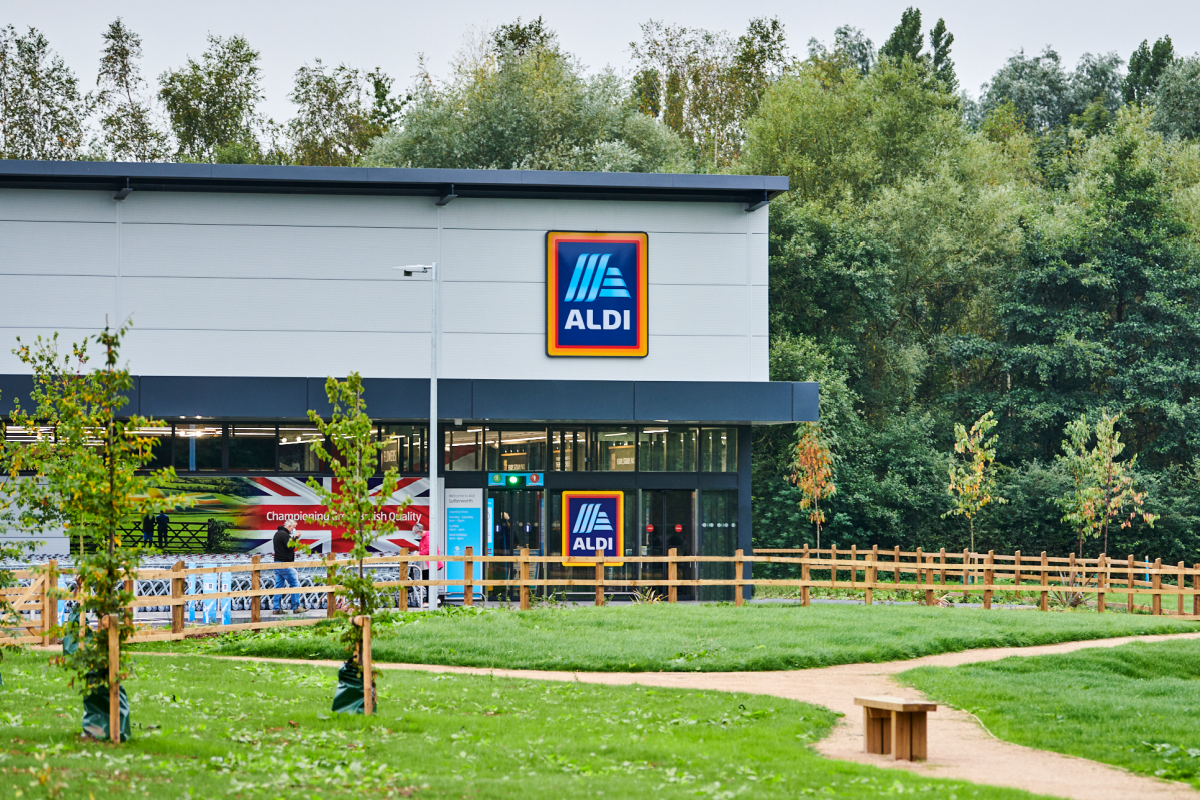

Aldi’s recent correspondence with its customers underscores its commitment to quality amid competitive retail dynamics. The BBC Panorama investigation into price-matching practices has sparked significant discussion.
The documentary highlights discrepancies in supermarket claims, particularly contrasting the quality of Tesco’s products with Aldi’s equivalents. Aldi’s public response reinforces the importance of genuine value, urging shoppers not to sacrifice quality for price.
Aldi’s Chief Executive, Giles Hurley, recently addressed concerns raised by a BBC Panorama investigation into supermarket price-matching. The findings suggested discrepancies in Tesco’s product quality compared to Aldi’s. Hurley emphasised that at Aldi, customers get quality products without sacrificing value, highlighting Aldi’s commitment to maintaining high standards despite competitive pricing strategies. He welcomed Panorama’s scrutiny as a validation of Aldi’s enduring principles.
The investigation unveiled stark differences in product composition between Tesco and Aldi. Products like chicken nuggets and blackcurrant squash were found to contain less of their primary ingredients when matched to Aldi’s equivalents. For instance, Tesco’s nuggets comprised only 39% chicken, while Aldi’s version boasted 60%. These revelations raised questions about the authenticity of Tesco’s price match claims, prompting discussions on consumer transparency.
Tesco’s ongoing commitment to quality assurance presents a complex picture amidst the controversy. While customer favour may indicate success, the Panorama findings suggest underlying issues that necessitate closer examination. This disparity between perceived and actual quality sparks a significant debate on the accuracy of supermarket promotional tactics.
This consumer-centric perspective prompts supermarkets to reassess their pricing strategies and marketing narratives. As shoppers gain awareness, retailers face increased pressure to align promotional claims with reality, fostering trust and credibility. Consequently, supermarkets may need to innovate in both product offerings and communication strategies to maintain consumer loyalty.
As the dialogue surrounding these revelations continues, supermarkets are likely to adopt more transparent and consumer-friendly approaches. The need for robust quality checks and honest marketing is underscored, paving the way for potential reforms in industry standards. This shift could benefit consumers by offering clearer insights into product quality and pricing structures, ultimately influencing purchasing decisions.
Such commitment not only enhances Aldi’s market position but also builds enduring customer relationships. As consumer expectations evolve, Aldi’s unwavering focus on quality ensures that it remains a preferred choice for value-conscious shoppers. This strategic positioning is likely to drive Aldi’s continued growth and success in the retail landscape.
In light of the Panorama revelations, both consumers and retailers face pivotal decisions. While shoppers are encouraged to critically assess supermarket claims, retailers must strive for enhanced transparency and truthfulness. This dynamic fosters an environment where informed consumer choices drive market practices, ultimately benefiting all stakeholders.
As retail competition intensifies, transparency and authenticity emerge as critical components of consumer engagement. Retailers are urged to align marketing promises with product realities, fostering an informed marketplace.
The Panorama investigation serves as a catalyst for improved practices, prompting retailers like Aldi to champion quality without inflationary compromises. This shift benefits both consumers seeking value and retailers striving for trust.
