
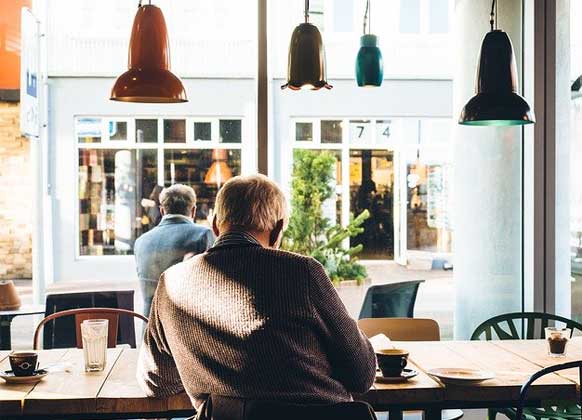

Recent research highlights significant feelings of exclusion among older UK residents.
- Many feel overlooked by fashion, tech, and high street brands, leading to isolation.
- Large numbers express that TV, cinema, and music seldom cater to their demographic.
- The outdated perception of retirees necessitates a revised understanding of ageing.
- The study calls for businesses to innovate and include older generations.
Recent findings indicate a growing sense of exclusion and marginalisation among older individuals in the UK, akin to feeling ‘cancelled’. This is a distressing revelation from one of the most comprehensive studies on the subject in recent times, conducted by Home Instead. The research offers insights into how the elderly perceive their current social standing and the factors contributing to their increasing isolation.
A significant portion of older adults report being ignored by key sectors such as fashion and high street retail, with 60% feeling overlooked by fashion brands and 59% by high street outlets. This perceived neglect extends to cultural domains, with 57% of older individuals feeling that contemporary TV and cinema do not address their needs, while 66% feel the same about new music. These statistics underscore a missed opportunity for businesses failing to engage with the older demographic.
Margaret Newson, an 88-year-old from Tunbridge Wells, encapsulates this sentiment by stating that reaching a certain age feels like becoming invisible, leading to a profound sense of loneliness. Martin Jones, CEO of Home Instead, stresses the urgency for changing perceptions and practices to better integrate older individuals into society, emphasising the need for innovation and inclusive services.
The research highlights a shift in how retirees view their lifestyle, challenging outdated stereotypes. Many retirees today lead active and healthy lives, contrary to past perceptions. Notably, 85% of UK adults support staying active in older age, with this percentage increasing to 89% among those over 75. This indicates a continued zest for life and contradicts the passive images often associated with retirement.
Concerns about ageing also centre around maintaining independence, with 44% of respondents more worried about entering a care home than losing a partner. The research reveals that 80% prefer being treated at home if ill, highlighting a preference for home-based care solutions. The current social care system is met with scepticism; 52% distrust it, and a significant number express difficulty in navigating it. There is considerable support for expert-led reform rather than relying on political intervention.
The comprehensive study underscores the imperative need for societal and commercial ecosystems to adapt and inclusively cater to the evolving lifestyles and expectations of the ageing UK population.
