

The Institute for Fiscal Studies (IFS) has recommended a substantial increase in taxes, amounting to £25 billion, to avoid austerity.
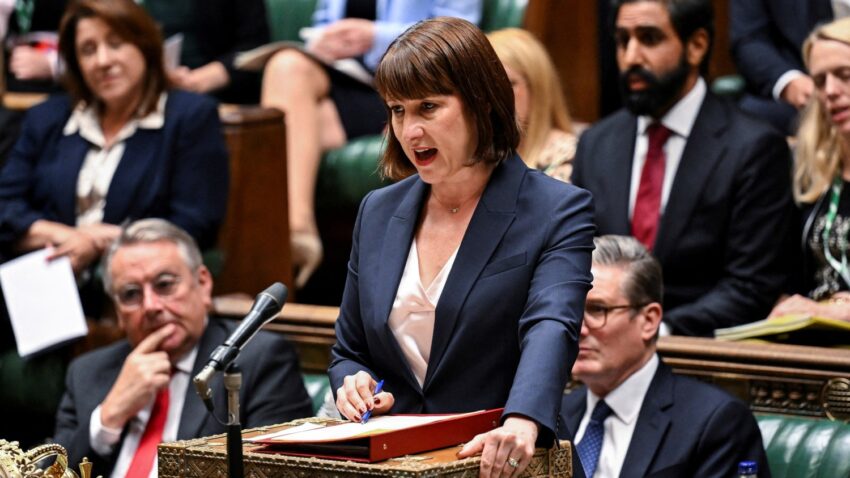
Rachel Reeves, as part of the UK’s new economic leadership, faces a crucial decision to ensure the continuity of public services without drastic spending cuts.
Significant Fiscal Challenges Ahead
The Institute for Fiscal Studies (IFS) has issued a stark warning regarding the fiscal strategy needed to avoid austerity while honouring public spending commitments. To achieve this, the proposed tax increases must be twice as large as those implemented by George Osborne in 2010. This ambitious financial undertaking reflects the complex economic landscape that the new administration is navigating.
Rachel Reeves is reportedly examining a hike in employer national insurance contributions as a pivotal measure in this context. Notably, a 1% increase could potentially generate an estimated £8.9 billion. Such a measure, however, aligns with Labour’s manifesto that seeks to protect “working people” from direct tax increases, thereby placing the focus on employer contributions.
Potential Tax Reforms Proposed
In light of the pressing fiscal demands, Labour is contemplating additional reforms, which include adding VAT to private school fees and imposing a stricter levy on oil and gas companies. Despite these considerations, the IFS cautions that these moves alone will not generate sufficient revenue to safeguard public services from cutbacks.
The IFS estimates that even with such reforms potentially raising £9 billion, an additional £16 billion would still be necessary to align departmental budgets with the growth in national income. This substantial shortfall underscores the need for further robust fiscal measures, emphasising a broader strategy within the proposed tax increases.
A Pivotal First Budget
Paul Johnson, the IFS director, posits that the forthcoming budget could be the most impactful since 2010. “The first budget of this new administration could be the most consequential since at least 2010,” he stated, underscoring the importance of this fiscal plan.
Significant investments in public infrastructure and services are on the horizon, necessitating either increased taxes, borrowing, or a combination of both, as articulated by Johnson.
Under the current economic outlook, and despite optimistic forecasts, a notable rise in taxes appears inevitable. The considerations reveal broader implications amidst increasing welfare costs and interest payments.
Exploring Pension and Welfare Changes
Reeves is also exploring modifications to the pensions landscape, specifically concerning the tax-free lump sum available upon retirement, potentially reducing it from £268,275 to £100,000. There are additional considerations regarding pension pots passed on posthumously.
The ageing population coupled with rising debt interest payments further complicates fiscal consolidation efforts. These factors necessitate additional funding solutions, spurring discussion about potential changes in pension regulations and welfare adjustments.
Such considerations are crucial in addressing the nation’s fiscal health, necessitating proactive changes to sustain public finances amidst evolving economic pressures.
Economic Growth and Challenges
The government, through a Treasury spokesperson, reaffirmed its commitment to fostering a pro-growth economic environment amidst these challenges. This objective remains a foundational pillar in the face of impending fiscal adjustments.
The impact of these measures on business confidence is a growing concern recognised by stakeholders. The anticipated financial changes are expected to shape the broader economic climate significantly.
Yet, the ultimate goal is to establish a balanced approach that supports growth while ensuring fiscal responsibility, which remains central to the newly proposed economic measures.
Perspective on the Broader Economic Context
The proposals by Rachel Reeves must be viewed within the wider economic context, acknowledging both immediate and long-term fiscal impacts. The strategies reflect an intricate interplay of political, economic, and social factors driving policy decisions.
This perspective is crucial for comprehensively understanding the impending fiscal landscape, ensuring that decisions made now support sustainable economic growth.
Implications for Public Services
The prospect of a £25 billion tax increase presents significant implications for public services, heralding a crucial juncture in fiscal policy. Balancing revenue generation with public service funding challenges traditional fiscal paradigms.
The Institute for Fiscal Studies underscores the necessity of substantial tax increases to avert further austerity measures. As the government navigates through these fiscal challenges, the focus remains on maintaining public spending while fostering economic growth.
