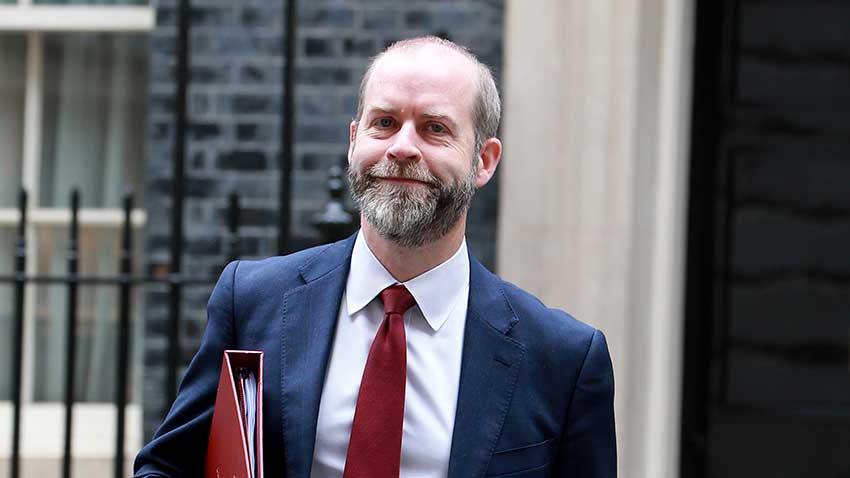
Labour ministers are moving away from the strict enforcement of a three-day office week for civil servants. This decision marks a notable shift toward prioritizing flexible working arrangements.
The move aligns with Labour’s broader mission to foster a modern work culture that values productivity and employee satisfaction over traditional office attendance metrics.
Shift in Policy for Flexible Working
Labour ministers have recently taken a step back from strictly enforcing the three-day office week for civil servants. This regulatory change aligns with Labour’s commitment to increase flexible working arrangements across the board. The initial policy, brought in under the Conservatives, remains in place but is not being stringently monitored under the current administration.
The decision represents an ideological shift towards valuing productivity over mere physical presence, encouraging a modern workplace culture. By promoting flexible working, Labour aims to enhance job satisfaction and loyalty among workers, potentially fostering nationwide economic growth.
Support and Criticism
Jonathan Reynolds, the Business Secretary, remains a vocal advocate for flexible working. He asserts that it reduces the ‘culture of presenteeism’, where an employee’s value is measured by their physical presence rather than actual performance. This approach has drawn praise from civil service unions, who argue that it respects individual employee needs and professional circumstances.
However, not all feedback is favourable. Opponents like Kemi Badenoch criticise Labour’s approach, arguing that decreased office attendance could impede skill development and collaboration. Badenoch believes in-person interactions are crucial for learning and overall productivity gains.
Reynolds, in criticising his predecessor Sir Jacob Rees-Mogg’s rigid requirements, highlighted a more individualised approach where decisions on work patterns are entrusted to managers. This is a marked change from the former expectation that civil staff maintain a 60% office presence.
Varying Impact Across Departments
The response within government departments has been varied, with some expressing concern over the efficacy of remote work for certain roles. A senior Home Office official noted potential issues in the immigration enforcement sector due to reduced physical interaction among teams.
Flexible working remains a point of contention, as some sectors are seen to struggle with maintaining performance, while others adapt well to a hybrid model. The approach’s success hinges on the nature of departmental operations and specific job functions.
Labour ministers, such as Angela Rayner, advocate a pragmatic stance, giving managers autonomy to determine the most suitable arrangements for their teams. This flexibility is aimed at balancing employee wellbeing with operational effectiveness, a strategy welcomed by unions but debated in its execution.
Contrasting Approaches in the Private Sector
Where the public sector adopts relaxed attendance measures, some private enterprises are enforcing stricter in-office requirements. Amazon has shifted its policy, requiring employees to spend full weeks in the office starting next year; a move justified by the perceived benefits of on-site collaboration and spontaneous interactions.
Private sector responses have varied, with some businesses echoing Labour’s flexible approach, finding it beneficial in attracting and retaining talent. Others argue that more rigid structures ensure focus and skill acquisition, highlighting a sectoral divide in preferred working practices.
Business Groups and Economic Implications
Support for flexible policies also comes from key business groups. The Institute of Directors and the Chartered Management Institute commend the government’s strategy, asserting flexibility as a solution to current labour shortage challenges. These organisations note that offering adaptable working conditions is effective in drawing talent.
Despite this, there is a clear call for balance. While business groups support flexibility, they stress that employers should retain the right to decline requests that do not align with operational needs. Achieving a middle ground is imperative for sustaining economic growth while maintaining efficiency and service delivery.
Labour’s continued focus on refining and promoting flexible work practices highlights an intent to mould a resilient, future-facing workforce. Key economic stakeholders remain attentive to how these practices will further develop and influence broader employment trends.
Future of Flexible Working in the UK
As Labour continues to advance its flexible working policies, attention is on how these will evolve under ongoing economic pressures. The party aims to champion a culture of flexibility while assuring the delivery of essential government services.
Ministers remain committed to supporting effective remote and hybrid working models, acknowledging the importance of adapting to changing workforce dynamics. This support suggests a long-term vision for workforce development aimed at enhancing both public and private sector efficiency.
Labour’s approach to flexible working is set to reshape the work environment for civil servants.
Future policies will continue to prioritise productivity and flexibility, influencing work trends across the public and private sectors.