
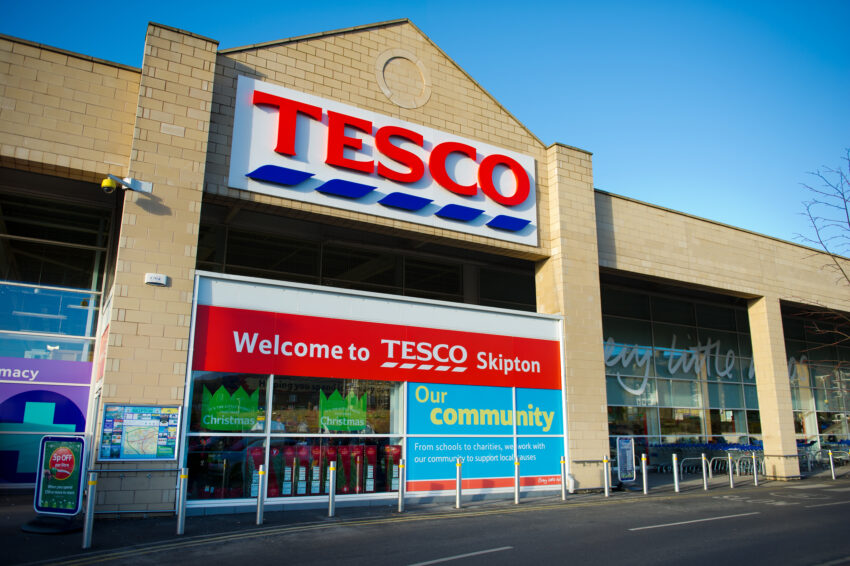

Tesco is considering a new strategy involving AI and Clubcard data to promote healthier shopping choices. The initiative has raised discussions on privacy and technology’s role in influencing consumer habits.
With an aim to improve public health, Tesco’s strategy focuses on using data-driven insights to prompt healthier shopping behaviours among its customer base. However, the initiative has also brought privacy concerns to the forefront.
Tesco’s proposal to incorporate artificial intelligence and Clubcard data into its operations aims at boosting healthier consumer choices. Tesco plans to utilise AI systems to track and analyse customer shopping habits, prompting them to consider swapping high-sodium items for healthier alternatives. The company asserts that by addressing dietary choices in this way, public health could significantly improve over time.
However, this initiative has sparked debate regarding consumer privacy. Jake Hurfurt from Big Brother Watch views the approach as an invasive practice, akin to surveillance, voicing concerns that Tesco is overstepping its boundaries by interfering with personal shopping choices. He argues that supermarkets should not have the right to judge what’s in consumers’ shopping baskets.
While the ethical implications remain contentious, the move highlights the sweeping changes AI is bringing to retail. Using AI to personalise shopping experiences is not new, yet applying this technology specifically to promote health-related choices is innovative. Tesco’s potential use of AI could represent a new paradigm in how technology and consumer health intersect.
Tesco holds a substantial portion of the UK market, with nearly a third of grocery shopping under its domain. Its extensive Clubcard programme, with 20 million subscribers, reflects its capacity to influence purchasing habits on a grand scale. Although the AI nudge system is yet to be officially introduced, its announcement underlines Tesco’s strategy of prioritising consumer health while potentially enhancing customer loyalty and brand reputation.
This development is part of a broader trend where supermarkets are increasingly expected to partake in public health advocacy. In the UK, regulations have been imposed to reduce junk food visibility, accompanied by proposals for further measures such as banning certain beverages for children.
Concerns around data privacy are not unfounded, as Tesco generates substantial revenue from anonymised data insights. The company assures customers that no personal data is sold. However, the debate around data security and ethics persists, necessitating clear communication and transparency from retailers to maintain consumer trust.
The proposed AI system may also offer financial benefits. Tesco suggests AI could notify customers of upcoming sales, potentially aiding in cost-saving. Through these technological improvements, Tesco aims to not only fortify their market position but also deliver enhanced value to customers.
Debates on Tesco’s AI use reflect broader questions about technology’s role in personal choices. While the strategy offers potential public health benefits, it necessitates careful consideration of privacy and ethical issues.
Balancing technological advancements with consumer trust remains vital as Tesco navigates its future initiatives. The path forward will require ensuring transparency and respecting customer autonomy, alongside pursuing health-focused goals.
