
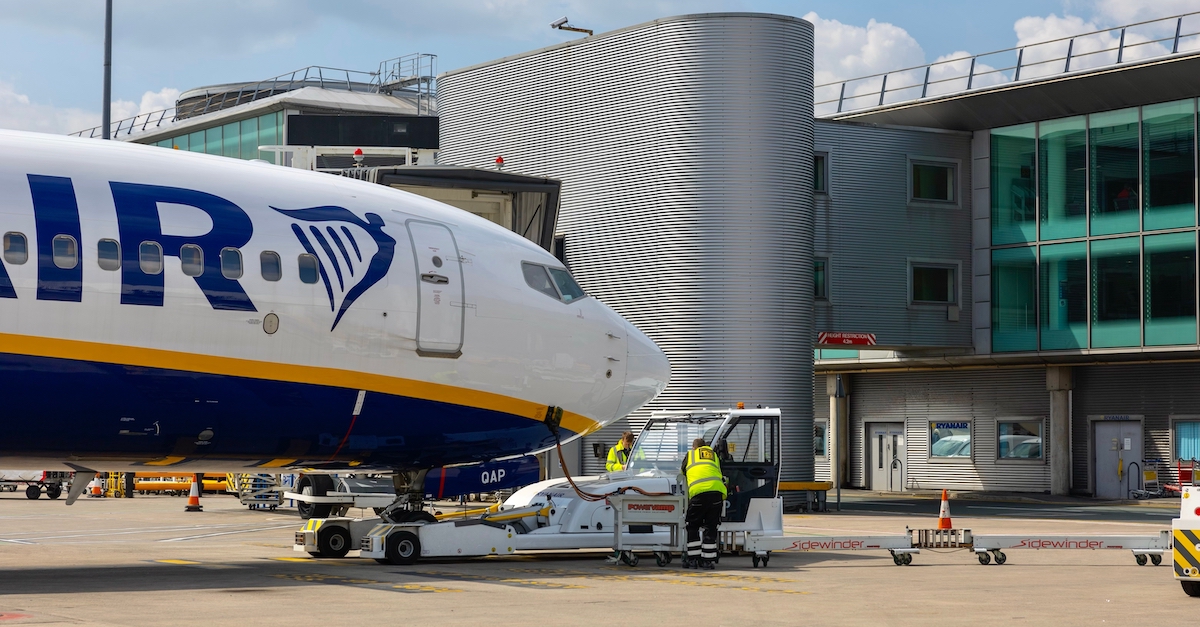

Ryanair anticipates higher fares this summer due to delayed aircraft deliveries from Boeing. This delay impacts their operational capacity, potentially elevating ticket prices by up to 10%. Despite these challenges, Ryanair is taking steps to manage the situation.
Group chief executive Michael O’Leary has indicated that only 40-45 out of the expected 57 Boeing 737s might be delivered by March. This shortfall could necessitate minor schedule cuts, as the airline strives to adapt to the reduced availability of new aircraft.
Impact of Boeing Delays on Ryanair
The delays in the delivery of Boeing 737 aircrafts are expected to lead to a rise in ticket prices. This is due to Ryanair’s reduced capacity to meet passenger demand over the summer. As projected by Michael O’Leary, the group’s chief executive, ticket fares could increase by up to 10%. He attributes this hike to only 40-45 planes being delivered instead of the anticipated 57 by March. This shortfall necessitates adjustments in Ryanair’s operational strategies to accommodate fewer aircraft.
The Broader Industry Fallout
The impact of Boeing delays extends beyond Ryanair, affecting other carriers relying on new aircraft. Notably, issues with Pratt & Whitney engines have also grounded some Airbus planes, further exacerbating the aviation industry’s challenges. These technical setbacks highlight the broader vulnerabilities within the industry as airlines grapple with supply chain disruptions and rising operational costs. The cascading effects of these delays underscore the interconnectedness of the aviation industry, highlighting the critical nature of timely aircraft deliveries for airline operations.
Ryanair’s Strategic Adjustments
With the possibility of only receiving 40 new aircraft by summer, Ryanair is contemplating ‘minor schedule cuts’. This action is necessary to align with its reduced fleet. Despite cost savings from hedging on fuel, the airline is still anticipating fare increases. O’Leary mentions preparing budgets based on a 5%-10% fare rise, reflecting a cautious approach to uncertain market conditions. The chief executive’s statements point towards a strategic recalibration within Ryanair, aiming to balance operational efficacy with financial prudence amidst evolving industry dynamics. Ryanair’s outlook reshapes expectations for summer travel, with potential implications for tourism-dependent regions relying on the carrier’s extensive network.
Financial Implications and Market Expectations
Ryanair’s projected passenger numbers for the year ending March 2025 may see a reduction from 205 million to approximately 200 million. This adjustment is in response to the anticipated decrease in available aircraft. Micheal O’Leary suggests that in a scenario of increasing capacity, fares might otherwise have decreased. The current situation compels Ryanair to revise its previous forecasts, thus signalling altered market expectations. Such changes in projections reflect a significant shift in market dynamics, precipitated by the delivery challenges. The financial ripple effects extend to stakeholders and possibly influence stock market perceptions.
Boeing’s Response and Future Measures
A spokesperson for Boeing expressed deep regret over the delays impacting Ryanair, emphasising the commitment to delivering high-quality aircraft. Boeing acknowledges these delays have affected their valued customer and is actively working to rectify the situation. Measures are being implemented to enhance the 737’s quality and performance standards, aiming to prevent future disruptions. Boeing’s focus is on addressing the immediate concerns and ensuring regulatory compliance to restore confidence among its airline clients. These corrective actions illustrate Boeing’s strategic response to the current challenges and commitment to maintaining its reputation in the industry. The manufacturer’s ongoing efforts to manage customer relations amidst these disruptions highlight the complexities involved in aircraft production and delivery.
Ryanair’s Operational Outlook
O’Leary’s reference to a “higher fare environment across Europe” this summer suggests broad implications for air travel pricing. The airline’s original growth strategy anticipated carrying 205 million passengers, but delivery delays present a formidable obstacle. Potential cuts to schedules indicate significant alterations to its operational framework. These changes are essential to maintaining service levels while adapting to a constrained fleet, impacting the competitive landscape among European low-cost carriers. Ryanair’s adaptive strategies reflect a broader industry trend of recalibrating business plans amidst external challenges, emphasising resilience and strategic innovation. This evolving scenario necessitates ongoing reassessment of operational priorities to align with the dynamic aviation market landscape.
Despite the challenges posed by Boeing’s delivery delays, Ryanair remains committed to navigating the turbulent market conditions with strategic adjustments. The airline’s focus on balancing fare increases with operational efficiency highlights its adaptability in an unpredictable environment. As the industry evolves, Ryanair continues to position itself as a resilient player in the European aviation sector.
