
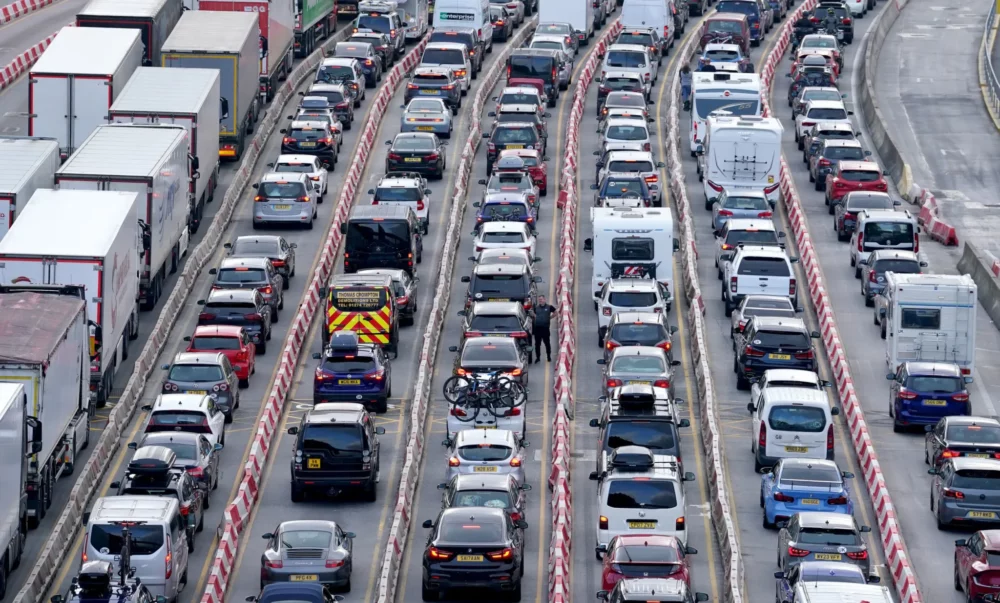

Concerns over new EU border regulations are mounting as the holiday season approaches.
The logistics sector fears that new fingerprint checks could cause significant delays, affecting vital imports of fresh produce during winter.
The implementation of the new EU fingerprint scheme is generating considerable concerns across the logistics sector, particularly with regard to the approaching Christmas season. Logistics UK, a prominent trade group, has voiced alarm over potential disruptions in food deliveries. With the UK relying heavily on imports during the winter months, any delays could have significant ramifications.
The impending Entry/Exit System (EES) is expected to extend border processing times considerably. According to studies by Imperial College London, processing a car with a family of four could stretch from less than a minute to nearly seven minutes. These changes, requiring fingerprint and facial recognition for all non-EU travellers, risk creating extensive queues and subsequent delays.
The financial implications of these delays could strain both suppliers and consumers, creating a ripple effect throughout the supply chain.
At pivotal transport hubs such as Dover and St Pancras International, operational adjustments are crucial. Individuals travelling by road, rail, and sea will be required to self-scan fingerprints and facial recognition data using provided tablets. However, the infrastructure to support these measures poses significant logistical challenges.
These potential disruptions necessitate immediate and effective solutions to minimise impact. Public awareness and government intervention are key to managing expectations and averting a supply chain crisis.
Structured guidance and communication from the government can play a vital role in steering the public response and ensuring that the new system’s implementation is as smooth as possible.
With Christmas approaching, the pressure is on to ensure food supply chains remain robust.
Timely intervention from government and industry bodies will be essential to mitigate any potential disruption.
