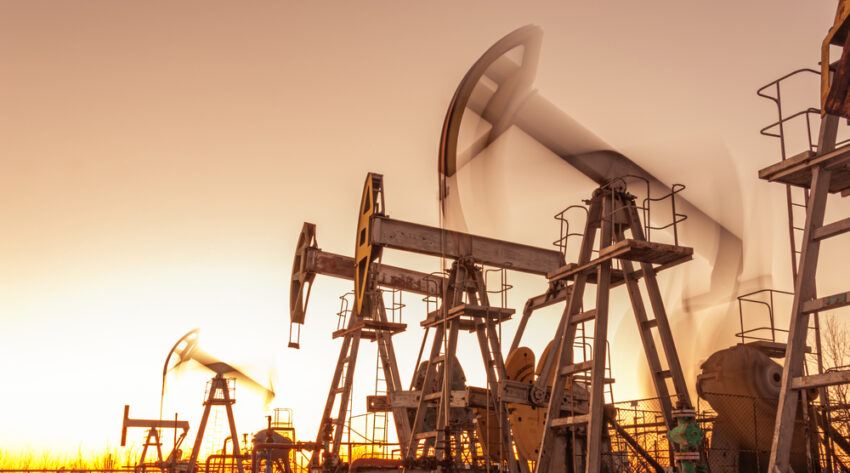
Oil prices have surged, marking the largest weekly gain in a year, driven by escalating tensions in the Middle East. Brent and WTI benchmarks have approached levels not seen since August, highlighting market reactions to geopolitical turmoil.
As the conflict between Israel and Hezbollah intensifies, fears of supply disruptions have propelled prices upward, affecting industries worldwide. This surge has reignited concerns over inflation and economic stability, with significant impacts on oil companies and related sectors.
Market Dynamics Amid Escalating Tensions
The international oil market has witnessed significant fluctuations, with Brent crude advancing 0.8% to $78.24, accumulating a remarkable 9% increase over the week. This surge is closely tied to the escalating tensions in the Middle East, particularly the conflict between Israel and Hezbollah. As these geopolitical tensions rise, they pose a potential threat to oil supplies, prompting concerns among investors.
West Texas Intermediate (WTI) followed a similar trajectory, marking a 0.75% increase to reach $74.26. The looming threat of a broader conflict involving Iran, which has launched nearly 200 ballistic missiles towards Israel, has intensified market apprehensions. In retaliation, the United States and Israel have issued stern warnings to Iran, suggesting potential severe consequences if the situation does not de-escalate soon.
Impact on Oil Companies and Related Industries
The recent uptick in oil prices has evidently bolstered the financial performance of major oil companies. Shell’s shares rose by 0.5% to £25.77½, while BP witnessed a 1.9% increase to 416¾p, both companies enjoying a gain exceeding 5% over the week. These developments illustrate the immediate impact of geopolitical events on corporate financial health.
Previously, oil was trading near a two-week low due to dwindling demand projections, especially from China, compounded by OPEC’s decision to incrementally resume production. However, the current conflict has inverted these trends, highlighting the unpredictable nature of global oil markets.
OPEC’s Adjusted Outlook and Market Reactions
In response to the volatile market conditions, OPEC has revised its outlook for global oil demand. The cartel now forecasts a growth of 2.03 million barrels per day, slightly down from earlier predictions. Similarly, the International Energy Agency (IEA) adjusted their demand growth forecast to 900,000 barrels per day, reflecting the heightened uncertainties within the sector.
These adjustments underscore the delicacy of the international oil market, where supply and demand predictions can rapidly shift in response to political events. Market analysts have accordingly revised their Brent crude price forecasts, predicting an average of $81.52 per barrel for the year, a slight decline from initial estimates of $82.86.
The evolving situation has catalysed inflation concerns, particularly within the UK, where the yield on 10-year government bonds has surged to 4.07%, marking its highest level since July.
Economic Ripples Affecting Diverse Sectors
While the oil sector sees gains, other industries are facing setbacks. Airlines, in particular, are feeling the pinch; London-listed carriers such as Wizz Air and easyJet experienced significant share price declines. Wizz Air fell by 3.7% to £12.74 and easyJet decreased by 2.6% to 493p, reflecting broader market anxieties.
Gold, traditionally a safe haven in times of geopolitical unrest, has seen its price per troy ounce increase to $2,657.86. This shift highlights the broader economic impacts of the ongoing Middle East tensions, affecting diverse sectors beyond just oil.
Strategic and Future Market Predictions
Given the current instability, ongoing monitoring of Middle East developments is crucial for stakeholders within the oil market. The unpredictable nature of this geopolitical crisis necessitates strategic readiness among investors and policymakers alike.
Further discussions regarding potential retaliatory actions against Iranian oil facilities underscore the need for a cautious and nuanced approach to any investment decisions in the energy sector. As nations continue to navigate this complex landscape, the global oil market remains poised for further adjustments.
Conclusion of Current Market Standing
The ongoing tensions and resultant oil price fluctuations highlight the intricate link between geopolitical events and economic outcomes. Market stakeholders must remain vigilant and adaptable.
As geopolitical uncertainties persist, the dynamics within the oil market will likely undergo further transformations. This calls for a proactive approach from both investors and policymakers, ensuring preparedness for potential market shifts.
Final Insights on Economic Implications
The situation underscores the far-reaching implications of geopolitical tensions on global markets. The alterations in oil prices serve as a stringent reminder of the interconnectedness of international economic and political landscapes.
The recent surge in oil prices underscores the sensitivity of global markets to geopolitical unrest. Ongoing vigilance is required as tensions persist, affecting economic stability and inflation.
Stakeholders must adapt to these evolving conditions, maintaining a strategic approach to managing the implications of market fluctuations spurred by the Middle East crisis.