
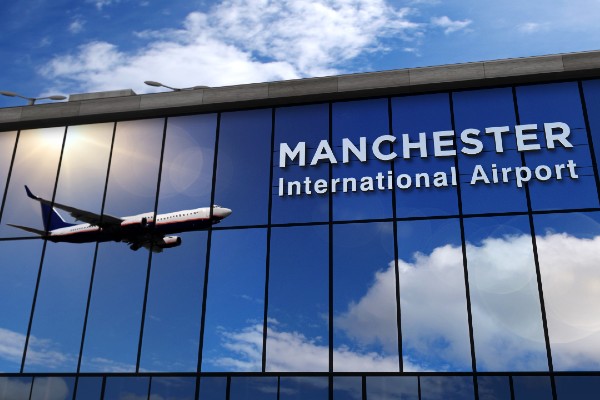

Manchester Airport has voiced strong opposition to a recent report by Which?, which named it the UK’s worst airport. The airport countered these claims, stating that they are based on erroneous information and do not reflect the true experiences of its passengers.
According to the airport, the report used a limited sample size and outdated feedback to draw its conclusions. This, they argue, is both misleading and damaging to their reputation, as it overlooks improvements and high satisfaction rates experienced by the majority of travellers.
Criticism of Which? Report
Manchester Airport has strongly criticised a report by Which?, branding it ‘misleading’ and full of ‘inaccuracies’. The report, which labelled the airport as the UK’s worst, is alleged to be based on flawed information. According to a spokesperson for the airport, Which? sought to gain attention for its publication with sensationalist claims that do not reflect the actual passenger experience.
The report placed Manchester Airport Terminal 3 at the bottom of an annual survey among its members, citing poor performance across several categories including seating and security. However, airport officials argue that the survey’s methodology was inadequate, relying on a very small sample size that misrepresents the airport’s broader customer base.
Survey Methodology in Question
The contentious survey conducted by Which? involved nearly 5,000 members rating their experiences at UK airports over the past 12 months. While it showcased smaller airports as more favourable, Manchester Airport officials highlighted the unrepresentative nature of the sample size, which constituted a meagre fraction of their actual annual passengers.
Critics of the survey have pointed out that it asked respondents to recall experiences from up to a year prior, thereby questioning the accuracy and relevance of the findings. A spokesperson emphasised the dynamic nature of airport operations that are often misreported due to such reporting techniques.
Comparisons with Smaller Airports
The report’s findings, which favoured smaller airports, have been labelled as inherently misleading by Manchester Airport authorities. The differences in scale and operational complexity between larger and smaller airports mean that such comparisons may not fairly represent customer experiences.
The Which? report overlooked important metrics, such as services for disabled passengers. Manchester Airport provided its own data, claiming up to 98.4% of passengers waited 15 minutes or less for security, figures ignored by Which? in its published findings.
Response from Other Airports
Responses from other airports critiqued in the report echoed Manchester’s sentiments. Luton Airport dismissed the Which? analysis as unrepresentative of its millions of passengers. Belfast International also pointed out the low sample size, noting that only a very small number of users were surveyed.
Airports across the UK have invested significantly in improving passenger experience, with tangible results often going unnoticed in such surveys. Industry voices stress that passenger services are a collaborative effort among various stakeholders, including airlines and ground handlers.
The Standpoint of Airports UK
Airports UK also expressed criticism of the Which? survey results, highlighting that they do not align with the positive data collected from larger, routine surveys conducted by airports themselves. These surveys show high customer satisfaction levels, contrasting sharply with Which?’s findings.
The association noted that airport services are a collective effort that goes beyond terminal facilities, involving multiple businesses operating on-site. This complexity, they argue, is not captured by narrow customer surveys, which often lack industry insight.
Analysis of Which? Travel Findings
The Which? travel editor highlighted that major airports frequently fail at providing basic services, contributing to dissatisfaction over issues like seating and extended queues. However, the editor’s focus on monetising terminal spaces over enhancing passenger amenities is met with scepticism.
The pursuit of profits through retail and fast track services within terminals is said to detract from addressing passenger needs. This approach has drawn criticism from airports, which are attempting to balance revenue-driven strategies with improving overall customer satisfaction.
Conclusion of Survey Impact
In summation, the Which? report has sparked considerable debate across the aviation sector. While it draws attention to genuine passenger grievances, its methodology and findings have been broadly challenged.
The consensus among major airports is that the survey does not provide an accurate representation of the overall passenger experience, which they assert remains largely positive across the UK.
Overall, the Which? findings have prompted scrutiny from the aviation community. While highlighting valid concerns, the report’s limited perspective is seen as unrepresentative of the broader passenger contentment at major UK airports.
The ongoing discourse emphasises the complexities of gauging passenger satisfaction and calls for more nuanced, comprehensive survey approaches.
