

London City Airport reports a substantial 50% decrease in passenger queue times following the installation of advanced CT scanners.
Since April 2023, these scanners have enabled passengers to pass through security without removing liquids and laptops from their luggage, streamlining the process.
Introduction of Advanced Technology
London City Airport has witnessed a significant transformation in passenger processing since the implementation of cutting-edge computed tomography (CT) scanners in April 2023. The new scanners have revolutionised the airport’s security procedures by allowing passengers to keep liquids and laptops in their luggage, a change that drastically cuts down on queue times.
The deployment of these advanced scanners marked London City as the first UK airport to fully integrate this state-of-the-art technology, aiming to enhance the traveller experience. According to Alison FitzGerald, interim co-chief executive, the initiative underscores their commitment to providing the most efficient airport service in the UK.
Positive Passenger Feedback
Passenger response to the newly installed scanners has been overwhelmingly positive, with reports indicating that 80% of passengers have been satisfied with their airport experience since these changes were implemented. This shift not only enhances convenience but also supports the airport’s goal of maintaining high customer satisfaction levels.
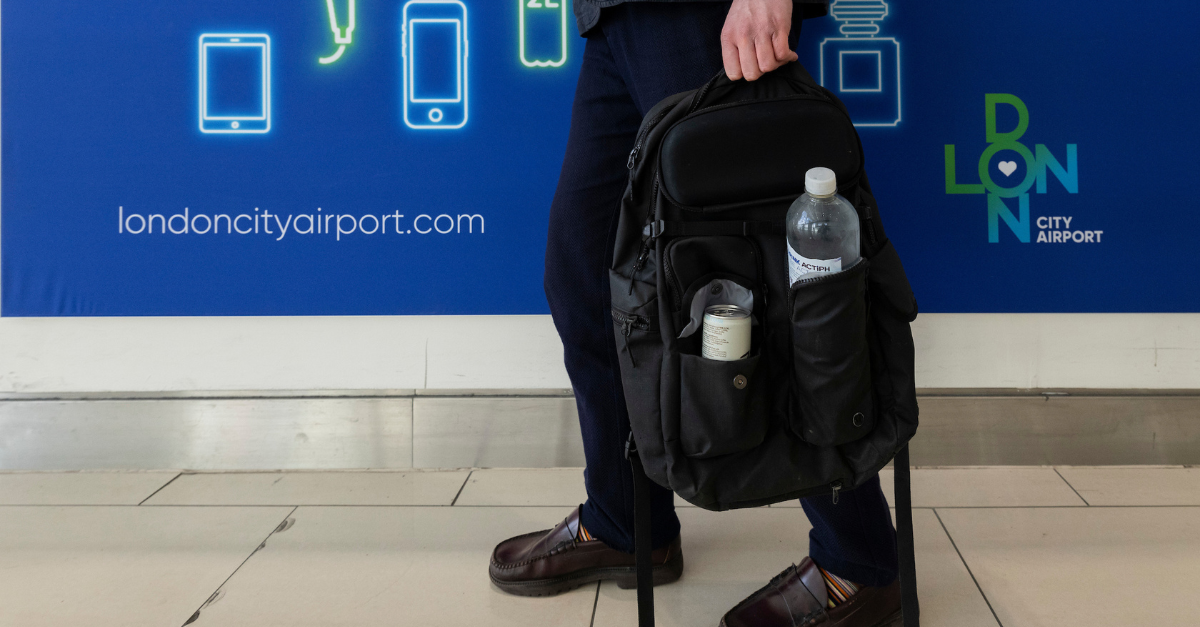
The introduction of the CT scanners has allowed passengers to bring liquid containers of up to two litres, a stark contrast to the previous 100ml restriction. This increased limit contributes to easing the travellers’ burden, facilitating smoother transitions through airport security.
Government Policies and Security Protocols
Despite the initial mandate for airports to upgrade their scanning technology by June 2024, a recent government announcement has extended this deadline on a situational basis. London City Airport’s proactive approach, however, places it ahead of many other institutions.
The government advises passengers to adhere to existing security rules but also encourages them to stay informed about changes by checking with their airline. Since 2006, security measures have been stringent, requiring transparent bags for small liquid containers.
Shift in Passenger Demographics
There has been a notable shift in the passenger demographics at London City Airport, with over 50% now travelling for leisure and visiting friends and family. This trend suggests a diversification in the airport’s typical business travel clientele.
Such demographic changes align with a broader trend in travel patterns, as more individuals opt for leisure trips that often require carrying liquids and electronics, making the new scanners even more beneficial. This aligns with the airport’s strategic initiatives to cater to a broader audience.
In addition, the emphasis on leisure travel could signal a post-pandemic recovery in people’s travel habits, reflecting increased confidence in air travel safety and convenience.
Enhanced Accuracy and Efficiency
The advanced CT scanners have demonstrated superior performance compared to older models by providing higher accuracy in detecting prohibited items. This advancement not only ensures heightened security but also smooths the flow of passengers through security checkpoints.
By significantly reducing the time spent on security procedures, these scanners allow passengers to allocate more time to other airport facilities and services. This operational efficiency is pivotal for maintaining the airport’s competitive edge within the UK’s aviation sector.
The technological upgrade reflects a broader movement within the aviation industry towards embracing innovation to improve customer experience, which is vital for the airport’s continued growth and success.
Future Implications for Airport Operations
London City Airport’s early adoption of these scanners sets a precedent for efficient operations that other airports may soon follow. Such advancements could streamline security processes across the global aviation industry.
The airport’s leadership in technology adoption positions it as a potential role model for other institutions aiming to enhance passenger experience. This foresight not only bolsters the airport’s image but also contributes to the UK’s stature in global aviation innovation.
Conclusion
The installation of advanced CT scanners at London City Airport marks a pivotal enhancement in security procedures, demonstrating significant improvements in passenger experience. London’s approach in embracing this technology sets a new benchmark for efficiency and traveller satisfaction.
London City Airport’s innovative approach has undeniably elevated the passenger experience by significantly reducing queue times and increasing efficiency. This development represents a forward-thinking strategy that places the airport at the forefront of technological advancement, promising continued improvements in service delivery.
