
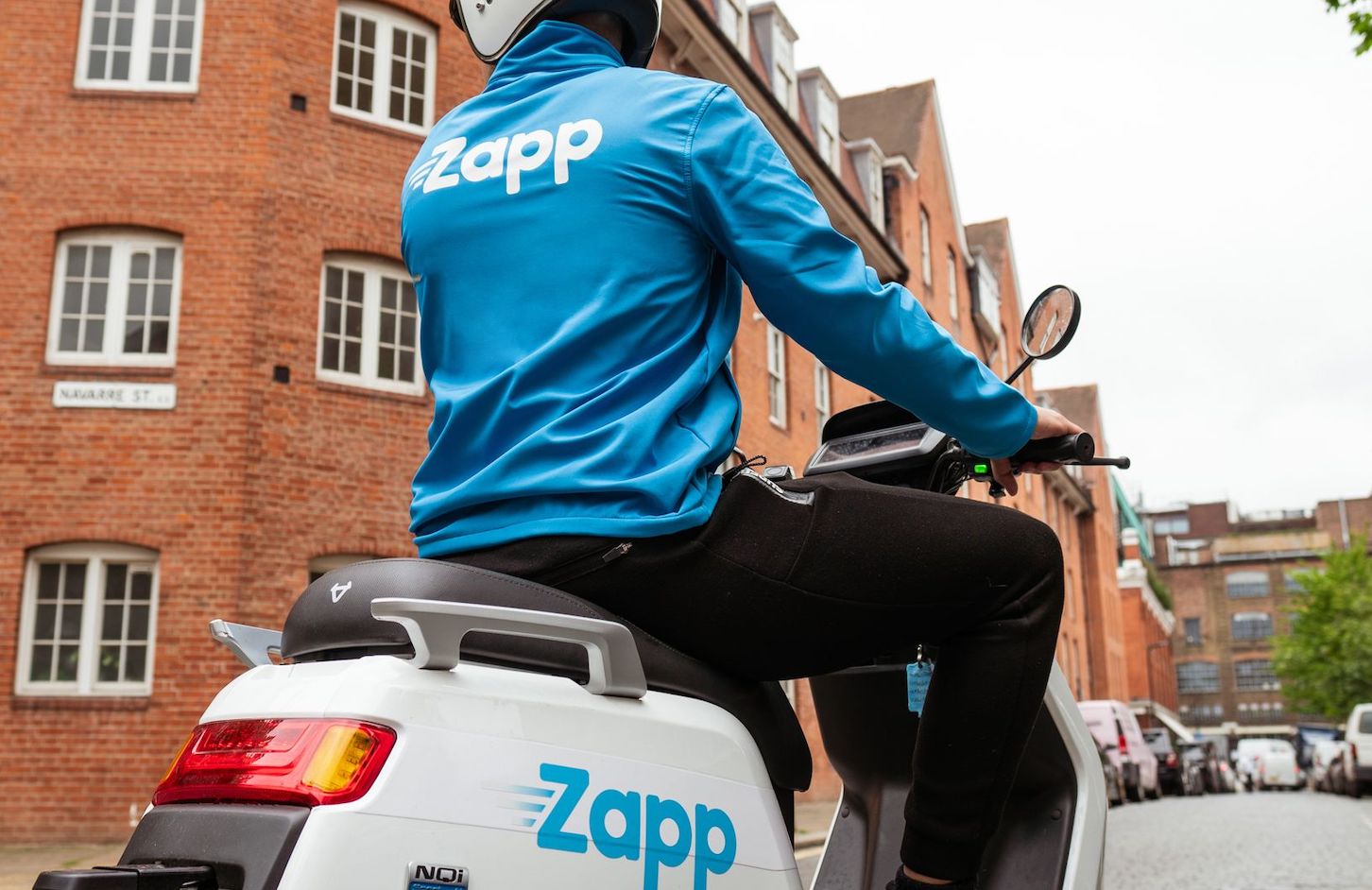

Rapid grocery delivery firm Zapp significantly cut workforce to manage costs.
- Staff numbers plummeted from 2,417 to 260 in 2023 at Zapp.
- The firm exited international markets to focus solely on London.
- Zapp’s financials improved with losses reducing from £91.9m to £23m.
- Despite changes, Zapp warns of potential need for further funding.
In a remarkable turn of events, the London-based rapid grocery delivery service Zapp has taken significant measures to remain financially viable by dramatically reducing its workforce in 2023. The number of employees declined sharply from 2,417 in the previous year to just 260, a move driven by the company’s strategy to aggressively cut costs. Such measures were not restricted to any single part of the company, affecting head office operations as well as its stores and distribution centres.
This drastic reduction in staff coincided with Zapp’s decision to retreat from international markets, choosing to concentrate exclusively on its operations in London. The company’s withdrawal from countries like the Netherlands and France reflects its revised business focus, which aims to streamline operations and optimise resources. The reorientation towards a smaller, more manageable network of stores, particularly in affluent areas, is a core part of this new strategy.
Operating within a challenging industry landscape, where rapid grocery delivery companies faced widespread financial difficulties in 2022, Zapp’s measures have yielded a noticeable improvement in its financial health. Pre-tax losses for 2023 were sharply reduced to £23m, a substantial decrease from the £91.9m recorded in 2022. This commendable improvement in their financial position was primarily achieved through substantial cost reductions, though a 37% increase in revenue to £39.5m also played a contributing role.
As part of its revised strategy, Zapp is focusing on promoting larger purchases of premium products targeted at wealthier customers. The company likens its strategic effort to survive and potentially thrive against competitors like Getir, which have similarly altered their operations by pulling out of various markets and scaling back to core business regions. Zapp’s emphasis on high-ticket items and affluent areas is designed to stave off competition and capture a distinguished market niche.
Although the strategic measures have indeed made Zapp ‘profitable at store level,’ the firm remains cautious about its future financial outlook. The leadership has signalled that while the current cash flow is expected to sustain the business for another year, there exists a ‘severe but theoretically plausible downside scenario’ that could compel them to seek additional funding. This cautious optimism underpins Zapp’s ongoing efforts to solidify its market position.
Zapp’s strategic downsizing and market focus have improved its financial outlook, but potential challenges remain ahead.
