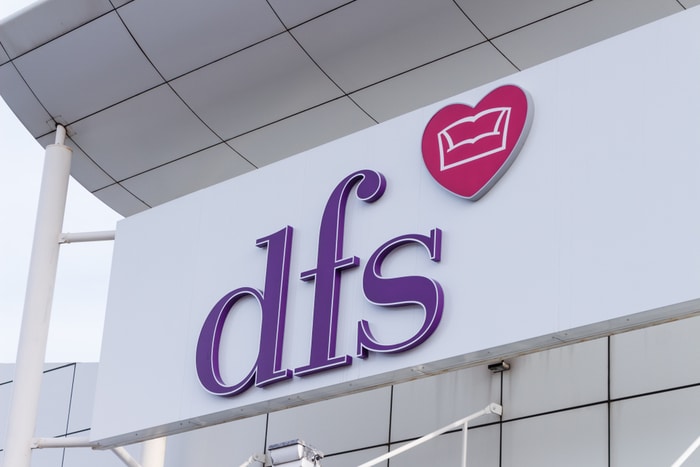
DFS has faced substantial setbacks in its financial performance, primarily due to Red Sea shipping delays and rising interest rates.
Despite these challenges, the company has managed to leverage improvements in its operational efficiency to offset some of the adverse impacts.
Financial Results and Market Performance
During the fiscal year ending 30 June, DFS reported a pre-tax loss of £1.7 million, a stark contrast to its previous year’s profit of £29.7 million. Despite this downturn, there were elements of positive performance, such as improvements in gross margin rate and operational efficiency, which have mitigated some of the adverse impacts faced due to the current challenging market conditions.
Sales for the period fell by 7.9% to £1.31 billion. The decline was attributed to a 1.8% drop in order intake year-on-year, which was greatly influenced by continuing weak demand and shipping delays in the Red Sea. These external factors have contributed significantly to the drop in overall sales.
Outlook for the Upcoming Year
Looking forward, DFS is maintaining a positive outlook for fiscal year 2025. The company remains optimistic about achieving its target with expected sales of £1.4 billion and a pre-tax profit target of 8%. The improvements in the housing market and disposable household incomes are anticipated to aid recovery progressively throughout the year.
DFS anticipates that market conditions will improve, bolstered by better housing transaction data and consumer financial improvement. These factors are expected to enhance the demand in the upholstery market in the forthcoming months, in alignment with expectations for the financial year 2025.
CEO’s Perspective and Strategic Planning
Chief Executive Tim Stacey shared his insights on the situation, stating, “Despite the challenges that the business has seen, we are optimistic for the future and see signs that market growth could soon return.”
Stacey further indicated that the company is already witnessing positive developments, particularly from increasing housing transactions and consumer balance sheets. He expressed confidence in achieving profits that align with the market consensus, focusing on the second half for greater financial returns.
The targeted focus on enhancing gross profit margins and operational efficiency remains a priority for DFS, as these factors are pivotal to aligning with the company’s strategic objectives in the long-term.
Impact of Interest Rates on Retail Sector
The hike in interest rates has also played a pivotal role in shaping the current fiscal landscape for DFS. Higher borrowing costs have increased the financial burden on the company, translating to significant operational challenges in navigating these costs.
As interest rates continue to hover at elevated levels, the pressure on the retail sector remains pronounced. For DFS, these conditions necessitate strategic adjustments to remain competitive, particularly in a market where disposable income and spending habits are directly impacted by such macroeconomic elements.
External Challenges and Supply Chain Issues
Delays in shipping, particularly in the Red Sea region, have exacerbated the difficulties faced by DFS, affecting the timely delivery of goods and contributing to the decrease in order intake observed over the last fiscal year.
The ongoing disruptions within the supply chain are not isolated to DFS but reflect broader systemic issues affecting the furniture retail industry. These challenges underscore the need for robust contingency planning and adaptive strategies.
In light of these supply chain challenges, DFS has been proactive in reassessing their logistics and distribution strategies to minimise future disruptions and maintain customer satisfaction.
Sales and Market Competition
The competitive landscape for DFS remains intense, with numerous players vying for market share in a shrinking consumer market. Nevertheless, DFS’s dedication to quality and value propositions helps maintain its positioning amidst fierce competition.
The decline in sales figures aligns with industry-wide observations, where economic pressures and evolving consumer preferences have reshaped market dynamics.
DFS continues to leverage its brand strength to navigate through these challenges, while focusing on delivering exceptional value to its customers through strategic pricing and innovative solutions.
Strategies for Recovery and Growth
As the market gradually recovers, DFS is poised to adapt and capture emerging opportunities. The strategic emphasis lies on fortifying their market presence, bolstered by ongoing improvements in operational efficiencies.
DFS is navigating a complex economic environment but remains optimistic about recovery driven by strategic planning and favourable market conditions.
The focus on improving operational processes and adapting to market changes positions DFS for potential growth in the coming year.