
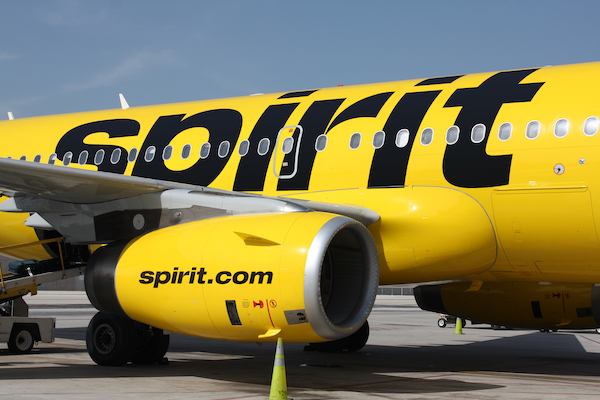

In a pivotal move, a federal judge has denied JetBlue’s attempt to acquire Spirit Airlines for $3.8 billion. This decision underscores the judiciary’s role in safeguarding market competition.
The ruling, aligned with the U.S. Department of Justice, highlights concerns about reduced competition and potential harm to consumers, preserving Spirit’s role as a low-cost alternative.
Judicial Verdict and Its Implications
In a significant legal decision, a federal judge in Boston has blocked the proposed $3.8 billion acquisition of Spirit Airlines by JetBlue. The court sided with the U.S. Department of Justice’s view that the merger would stifle competition and hurt consumers. This ruling emphasises the court’s commitment to upholding antitrust laws and ensuring a competitive market environment.
District Judge William Young, overseeing the case, remarked that the merger would likely push JetBlue to stray from its origins as a low-cost carrier. His ruling highlighted concerns about the potential for reduced fare competition and the loss of Spirit’s distinctive market position. JetBlue, known for its cost-effective services, was seen as diverging from its business model, which could lead to negative consequences for price-conscious travellers.
Consequences for the Domestic Airline Market
The proposed merger would have seen JetBlue and Spirit Airlines combining to control over 10% of the domestic air travel market. This significant consolidation was viewed with apprehension, particularly due to the existing dominance of four major airlines that already command a substantial share.
Judge Young noted that while the merger might have increased competitive pressure on these larger airlines, it posed the risk of diminishing price and service options for consumers. Spirit Airlines’ business model, which has traditionally exerted downward pressure on fares, would be difficult for another airline to replicate, thus undermining the competitive landscape.
Challenges in the Airline Industry
The airlines face numerous challenges, not least of which are aircraft sourcing issues that affect their operational capabilities. The entry barriers in the airline industry are relatively low, yet Spirit’s position remains unique due to these specific challenges, making it hard for others to fill its niche.
The court’s decision underscores the importance of maintaining divergent business models within the industry to safeguard consumer interests. Antitrust laws are designed to prevent the formation of oligopolies that could lead to reduced competition and higher fares, an increasingly relevant concern in today’s aviation sector.
Legal Reactions and Next Steps
JetBlue and Spirit have expressed their intentions to evaluate the court ruling and determine their next course of action. This development opens the door for a potential appeal, which could further prolong the legal battle over this high-stakes merger.
Legally, the court’s decision is seen as a precedent-setting move, reinforcing the role of judicial oversight in major corporate takeovers. The Justice Department has praised the ruling, viewing it as a protective measure for consumers against higher prices and fewer choices.
Statements from the Justice Department
U.S. Attorney General Merrick Garland hailed the decision as a victory for millions of travellers who could have faced increased airfares and limited options. The ruling is aligned with the Justice Department’s broader strategy to enforce antitrust laws vigorously.
Principal Deputy Assistant Attorney General Doha Mekki also commended the court’s understanding of the Justice Department’s consumer protection role, marking it as a crucial win in advocating for the travelling public. Such endorsements from high-ranking officials underscore the case’s significance.
Future Prospects for JetBlue and Spirit
The future of JetBlue and Spirit Airlines remains uncertain amid this legal turmoil. As they consider the possibility of appealing the decision, both airlines must also assess their strategic paths forward independently. This merger halt could compel both companies to explore alternative avenues for growth and competitiveness.
For Spirit, retaining its market strategy as a low-cost carrier is vital to its continued success. For JetBlue, an exploration of organic growth opportunities could present viable alternatives in maintaining its market position without resorting to acquisitions.
Implications for Consumers
For consumers, the ruling ensures the continuation of Spirit’s low-cost services, maintaining diversity in price offerings within the aviation industry. This diversity is crucial in promoting affordability and choice for passengers across the United States.
This judgement marks a significant moment in the aviation industry, reinforcing the importance of antitrust enforcement. The decision protects consumers by preserving competition.
With the merger halted, both JetBlue and Spirit face the task of redefining their market strategies, ensuring competitive benefits for passengers without compromising service quality.
