

The House of Lords committee has issued a caution on impending travel disruptions due to new border systems. The UK’s ETA and EU’s EES are at the forefront of this warning.
Without adequate preparation and public awareness, these systems threaten significant disarray at borders, warranting immediate government action.
Introduction of New Border Systems
The UK’s Electronic Travel Authorisation (ETA) and the EU’s Entry/Exit System (EES) and Electronic Travel Information and Authorisation System (ETIAS) are set to introduce significant changes to border management. The Lords committee warns these changes could lead to major travel disruptions unless the government swiftly addresses these challenges. The complexity of coordinating these systems, alongside a lack of public awareness, underpins this concern.
Concerns Raised by the Lords Committee
The Justice and Homes Affairs Committee has issued a stark warning regarding the preparedness of these new border systems. Their concerns centre on the ambitious timetable for implementation and a noticeable lack of coordination with the EU. They highlighted potential challenges and delays, particularly if the UK’s ETA roll-out coincides with the EU’s EES launch.
These issues are compounded by insufficient public information campaigns from both the EU and UK, exacerbating potential chaos at borders. The committee highlights the absence of a planned app for pre-provided traveller information as an urgent requirement.
Challenges with ETA System
The committee has cast doubts on the effectiveness of the ETA system in enhancing border security. Concerns stem from the loss of real-time access to crucial EU databases and the reliability of data from certain countries. Additionally, the requirement for transit passengers to obtain an ETA potentially deters use of Heathrow as a hub, impacting its economic viability.
The potential impact on cross-border tourism, particularly between the Irish Republic and Northern Ireland, adds a layer of complexity. The committee stresses that new systems should be introduced carefully and gradually to prevent public confidence from being undermined.
‘Alarm’ at lack of awareness of UK ETA and EU EES schemes.
Implications for Travellers
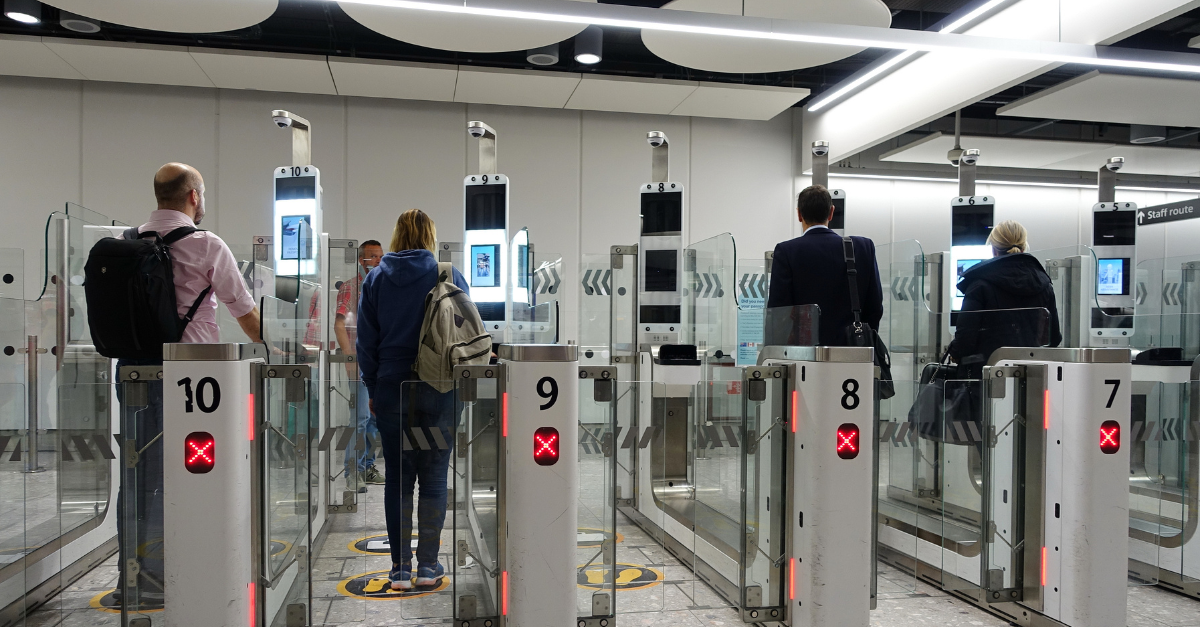
Recent events like the failure of e-gates at UK borders illustrate the risks of over-reliant technology. Persistent issues could jeopardise public trust in border management. The committee recommends a cautious approach in implementing new systems to minimise disruptions.
Adequate time should be allocated between implementation phases to resolve issues affecting digitally excluded individuals and to address concerns over algorithmic bias. Moreover, the accessibility of information, currently only available in English, needs addressing to accommodate international travellers.
EU’s Entry/Exit System Challenges
The absence of a dedicated smartphone app to capture traveller information in advance poses significant challenges for the EU’s EES implementation. Such gaps could result in severe delays at borders, heightening the risk of travel disruptions.
The potential for simultaneous roll-out of the ETA for EU citizens and the EU’s EES raises concerns about the adequacy of current informational resources. The Lords committee has raised questions about the UK’s readiness for these new frameworks.
Economic Impact Considerations
Lord Foster emphasised the economic repercussions of the ETA requirement for transit passengers at Heathrow. The possibility of travellers opting for alternate routes could significantly impact Heathrow’s economic standing. This issue illustrates the broader economic stakes involved in the successful implementation of the new systems.
The consequential delays and disruptions could further strain the relationship between the UK and its European counterparts, adding to current political complexities. Stakeholders are urged to conduct comprehensive evaluations and prepare for potential outcomes.
Government’s Stance and Future Steps
A government spokesperson noted that the ETA is part of a comprehensive digital transformation of the UK border system aimed at enhancing security by improving knowledge about incoming visitors and preventing entry of potential threats. Collaboration with the EU, member states, global carriers, and ports is crucial to minimise disruptions.
The spokesperson reassured efforts to maintain communication with all stakeholders, intending to ease the transition to these new systems while addressing the committee’s concerns meticulously.
The Lords committee insists on a phased and coordinated approach to implementation, ensuring public preparedness and reducing the risk of disturbances. The need for clear communication strategies is underscored to facilitate this transition.
Conclusion
The introduction of the UK’s ETA, alongside EU’s EES and ETIAS, presents a complex challenge requiring immediate attention and coordination. Ensuring smooth implementation is essential to preventing travel disruptions and maintaining public confidence. Strategic planning and comprehensive public information campaigns are vital to address the potential hurdles identified by the Lords committee.
Introducing new border systems requires significant strategic oversight to prevent travel chaos. Appropriate measures are needed to ensure the UK’s ETA and EU’s EES roll out smoothly.
Both governments and stakeholders must enhance communication efforts to inform the public and mitigate potential issues.
