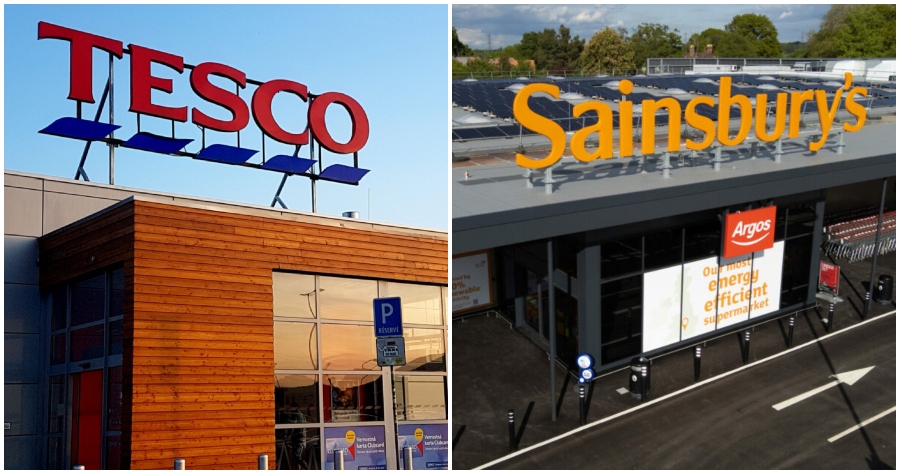
Tesco and Sainsbury’s in-store recycling schemes are under scrutiny after allegations surfaced about their actual recycling effectiveness. Concerns arise over the incineration of recyclable plastics.
An investigation revealed a significant portion of plastics collected in these schemes are incinerated rather than recycled, questioning the authenticity of these eco-friendly claims.
Tesco and Sainsbury’s, two of the UK’s leading supermarkets, are confronting severe allegations regarding their in-store recycling programmes. These allegations emerged following an investigation that found most soft plastics collected in their recycling bins end up being incinerated instead of recycled. Critics argue this practice misleads consumers who are attempting to reduce their environmental impact.
Only a small portion of the tracked plastics were indeed recycled into new products, primarily abroad in Turkey. These findings suggest a discrepancy between the supermarkets’ recycling claims and the actual outcome of these plastics. The investigation revealed that a significant 70% of the plastic collected was burned for energy, raising questions about the integrity of these recycling claims.
Campaigners have indicated that the presence of recyclable labels on soft plastic products has increased, potentially misleading customers. These labels advise consumers to recycle plastics at large supermarkets, despite evidence suggesting that the recycling success rate is questionable. Clarity in labeling and genuine recycling efforts are demanded by environmental groups.
Sainsbury’s, on the other hand, stated enhancements in store signage to better inform customers about recycling practices. Ensuring the collection of clean and dry flexible plastics, Sainsbury’s advocates for converting unusable plastics into energy as a final resort. They vow to continually seek better ways to manage packaging waste, highlighting the importance of customer feedback.
The groups are urging supermarkets to not only improve recycling processes but also to take greater responsibility in influencing a reduction in plastic production. Their call for transparency and genuine recycling efforts is at the forefront of discussions with retailers.
The revelation of the investigation stresses the necessity for better accountability and transparency in recycling processes. As consumer awareness grows, supermarkets are encouraged to invest and innovate in creating effective and reliable waste management systems.
The current state of plastic recycling, particularly for soft plastics, remains in a challenging transition phase. With increasing legislative and consumer pressure, supermarkets are anticipated to update practices, ensuring their recycling claims are not only aspirational but achievable and verifiable.
The investigation has spotlighted critical issues within the recycling sector, particularly regarding supermarket schemes. It underscores the importance of transparency and accountability. Enhancing infrastructure and aligning recycling practices with public expectations are essential for building consumer trust and achieving genuine environmental benefits.
This inquiry highlights the need for robust recycling systems and transparent practices within retail recycling schemes.
Increased infrastructure investment and policy improvement are crucial for achieving tangible environmental outcomes.