
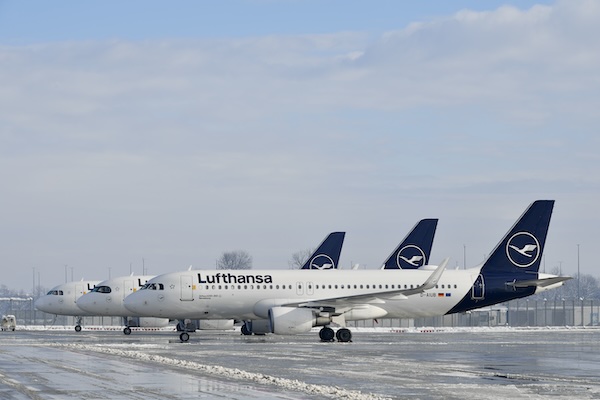

Lufthansa has resumed flights following a massive strike by ground handlers that severely disrupted air travel across key German airports. The strike, ending after a 27-hour standoff, forced the airline to cancel a significant portion of its schedule, impacting countless passengers.
Despite resuming operations, Lufthansa warns of potential ongoing delays, urging passengers to stay informed through official channels. The strike underscores the fragility of aviation schedules in the face of industrial action, prompting a need for dialogue between airlines and unions.
Strike Overview
Lufthansa resumed its flight operations following a significant strike action by ground handlers, which disrupted services across major German airports including Frankfurt and Munich. The 27-hour strike, driven by ongoing pay disputes, led to the cancellation of approximately 80% to 90% of flights, impacting more than 100,000 passengers, primarily on Wednesday. The scale of the disruption highlights the vulnerability of airline schedules to industrial action.
Impact on Passengers
The massive strike caused extensive inconvenience for travellers. Many passengers faced delays and multiple cancellations as flights were ground to a halt at key hubs. Although Lufthansa has resumed operations, the airline cautioned that residual delays and cancellations might still occur throughout Thursday as the system normalises.
Some affected passengers resorted to social media to express their frustration and to seek clarity on rebookings and refunds. The carrier’s call centres and customer service desks dealt with unprecedented volumes of inquiries as travellers sought updates on their travel plans.
Response from Lufthansa
In response to the strike, Lufthansa expressed regret over the disruption caused to its customers. The airline reiterated its commitment to returning to normal operations swiftly.
While acknowledging passenger frustration, Lufthansa emphasised its endeavours to minimise ongoing delays. The company is actively coordinating with airport staff to expedite the rescheduling of flights and to prioritise affected travellers. This coordinated effort aims to restore normalcy in the wake of substantial operational challenges posed by the strike.
Union’s Stance
The Verdi union, representing the ground handlers, stood firm in its demands for better pay conditions. The union directly targeted Lufthansa’s main operations at Frankfurt and Munich, demanding improvements in the staff’s current remuneration packages.
According to Verdi, the strike was inevitable due to Lufthansa’s reluctance to meet the union’s demands. The union threatened to extend the strikes unless the airline’s executive board offers a more favourable contract for ground staff.
This ongoing tension reflects broader labour disputes within the aviation sector, where unions are increasingly vocal in advocating for enhanced working conditions.
Operational Adjustments
In light of the disruptions, Lufthansa implemented several operational adjustments to manage the passenger backlog and to support staff in handling increased customer service demands.
The airline has temporarily increased staffing at key airports and activated alternative communication channels to accommodate customer inquiries. Additionally, Lufthansa is exploring options to reallocate flights to less congested times, aiming to ease traffic at its busiest hubs.
Ultimately, these measures underscore Lufthansa’s strategic approach to mitigating the strikes’ adverse impacts on its daily operations and passenger experiences.
Looking Ahead
As Lufthansa navigates the aftermath of the strike, it remains focused on long-term solutions to prevent similar occurrences in the future.
The airline has signalled intentions to engage in constructive dialogues with union representatives to reach a sustainable agreement that aligns with both company capabilities and employee expectations.
Such negotiations are pivotal, as achieving consensus is essential in ensuring stability within the airline’s operations. Lufthansa’s proactive stance in addressing these challenges may serve as a blueprint for other carriers facing similar industrial disputes.
As Lufthansa continues its recovery efforts post-strike, it is committed to stabilising operations and enhancing communication with passengers. The airline’s focus on resolving labour disputes seeks to prevent future disruptions, ensuring smoother travel experiences.
The situation highlights the need for airlines to develop resilient strategies against industrial actions, stressing the importance of robust agreements between management and unions.
