
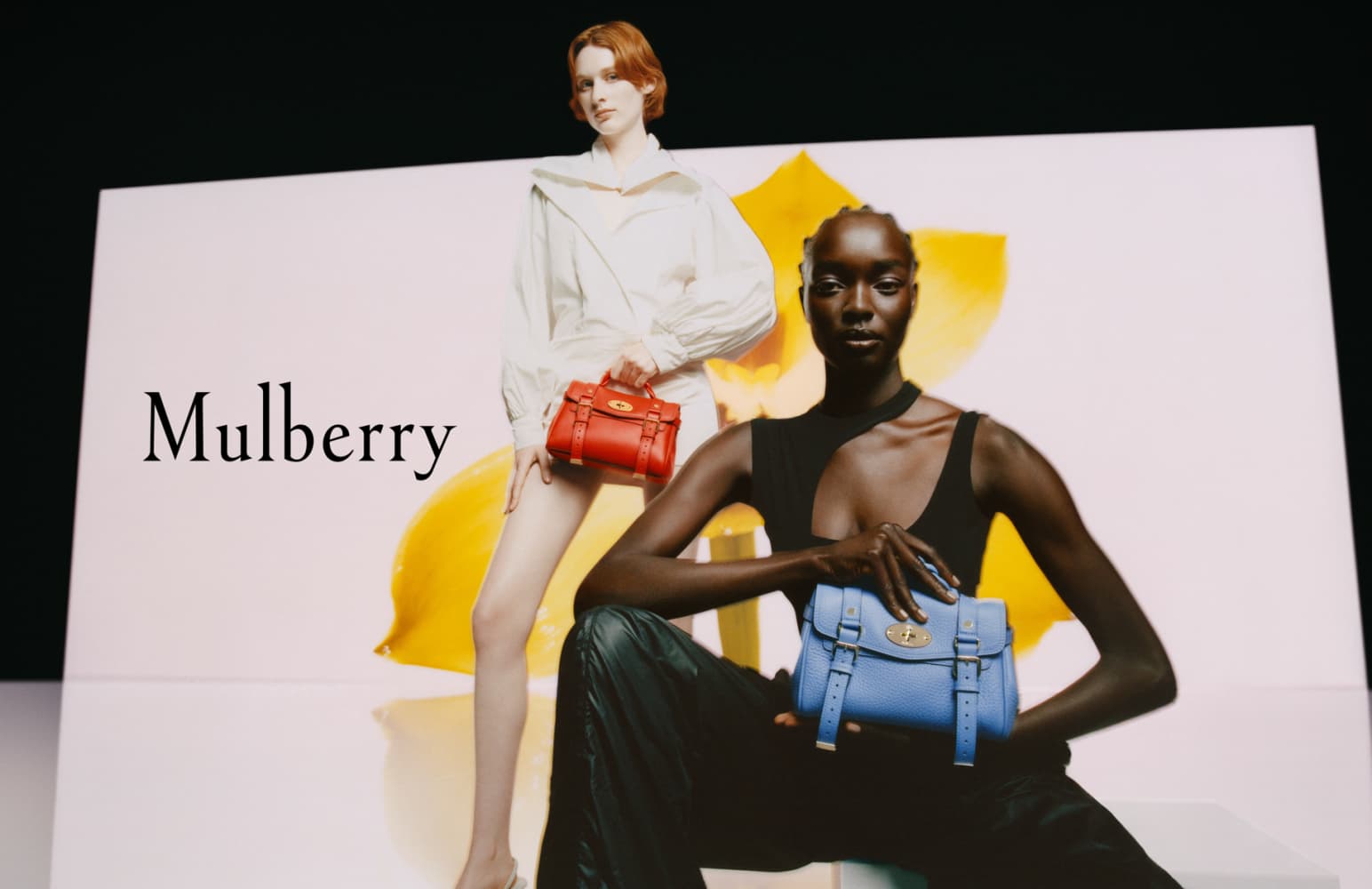

The boardroom dynamics at Mulberry have intensified following a takeover bid by Frasers Group, aiming to avert another Debenhams scenario.
Despite swiftly rejecting the £83m offer, Mulberry’s management faces pressure as Frasers, led by Mike Ashley, persists in their strategic pursuit.
Frasers Group made its initial investment in Mulberry in February 2020, focusing on strengthening relations with premium third-party brands to elevate its retail strategy. Their ambition was to collaborate closely with Mulberry for mutual shareholder benefit. This move was part of Frasers’ broader strategy to elevate their retail proposition.
Sales also fell significantly, with an 18% drop over the first 25 weeks of the fiscal year, highlighting challenges due to market downturns and reduced UK tax-free shopping.
The lack of engagement from Mulberry has frustrated Frasers, contributing to their decision to make the offer, which they argue could be more favourable.
Concerns include Frasers’ varied success in the luxury market and whether their strategies align with maintaining Mulberry’s heritage and premium brand status.
The group has expanded Flannels’ physical and digital presence, emphasising a ‘new luxury’ experience. This strategic development reflects Frasers’ ability to manage premium brands effectively, despite past setbacks.
Mulberry’s majority shareholder, Challice, with a substantial 56.1% stake, supports the current management strategy, casting doubt on Frasers’ ability to gain control.
While the outcome remains uncertain, Frasers Group’s attempt to secure Mulberry reflects ongoing strategic manoeuvres in the luxury retail sector.
In a complex scenario, Frasers’ pursuit of Mulberry signifies a pivotal attempt to reshape the luxury retail landscape.
With key stakeholders remaining resistant, the situation demands careful navigation, embodying the intricate realities of high-stake business takeovers.
