

The downfall of Blenheim House was accelerated by a significant legal claim that damaged its reputation, according to administrators.
- The company struggled with £11.7m losses on problematic projects, aggravated by a £3.6m claim from the Marylebone House project.
- Inability to secure new projects due to reputational damage left the firm without necessary cash flow, crucial for payments.
- Subcontractor disputes further exacerbated financial troubles, leading to halted site work and a winding-up petition.
- The complex challenges, including incomplete designs and external global issues, culminated in an estimated £19m in claims from unsecured creditors.
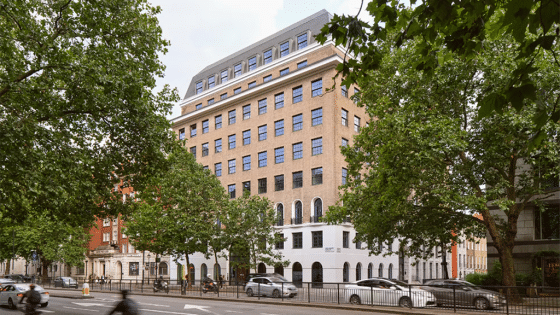
The downfall of Blenheim House was recently expedited by a client’s significant legal claim, which severely compromised the company’s reputation, as revealed by its administrators. The firm, which collapsed in July, was already burdened by substantial losses amounting to approximately £11.7 million from three problematic projects. A pivotal blow came when a client involved in the central London office renovation and new build project, Marylebone House, lodged a £3.6 million claim for damages.
The directors of Blenheim House maintained that this claim tarnished the company’s reputation, effectively obstructing their ability to harness the regular new work opportunities they typically relied upon. This reputational impact critically impaired their cash flow, leaving the firm unable to meet its financial obligations to subcontractors, thus aggravating the firm’s precarious financial position.
The situation deteriorated when Radius Construction, a subcontractor specialising in drylining, initiated a winding-up petition on 8 July. This move prompted many subcontractors to cease work at the sites, as noted by the administrators. The directors attributed part of the firm’s losses to unresolved issues inherent in the complex London projects, such as Marylebone House, Greycoat Place, and Holbein Place. According to them, incomplete designs, tender omissions, and client delays significantly contributed to the financial distress.
Several external factors also compounded Blenheim House’s troubles, including the impact of the COVID-19 pandemic, the ongoing conflict in Ukraine, and subcontractor failures. An estimated 552 unsecured creditors are poised to file claims amounting to around £19 million, with former employees claiming approximately £2 million. The administrators projected a payout to these creditors of between five and ten pence on the pound. However, some subcontractors at significant projects like 25 Moorgate and Barge House have already received payments.
Specialising in refurbishment and fit-out initiatives across London and the South East, Blenheim House’s story reflects the fragile nature of firms operating under complex economic and project-specific pressures. The developer of Marylebone House, Beltane, has been approached for further comments on the matter.
This scenario underscores the precarious balance construction firms must maintain amidst project complexities and external economic challenges.

