
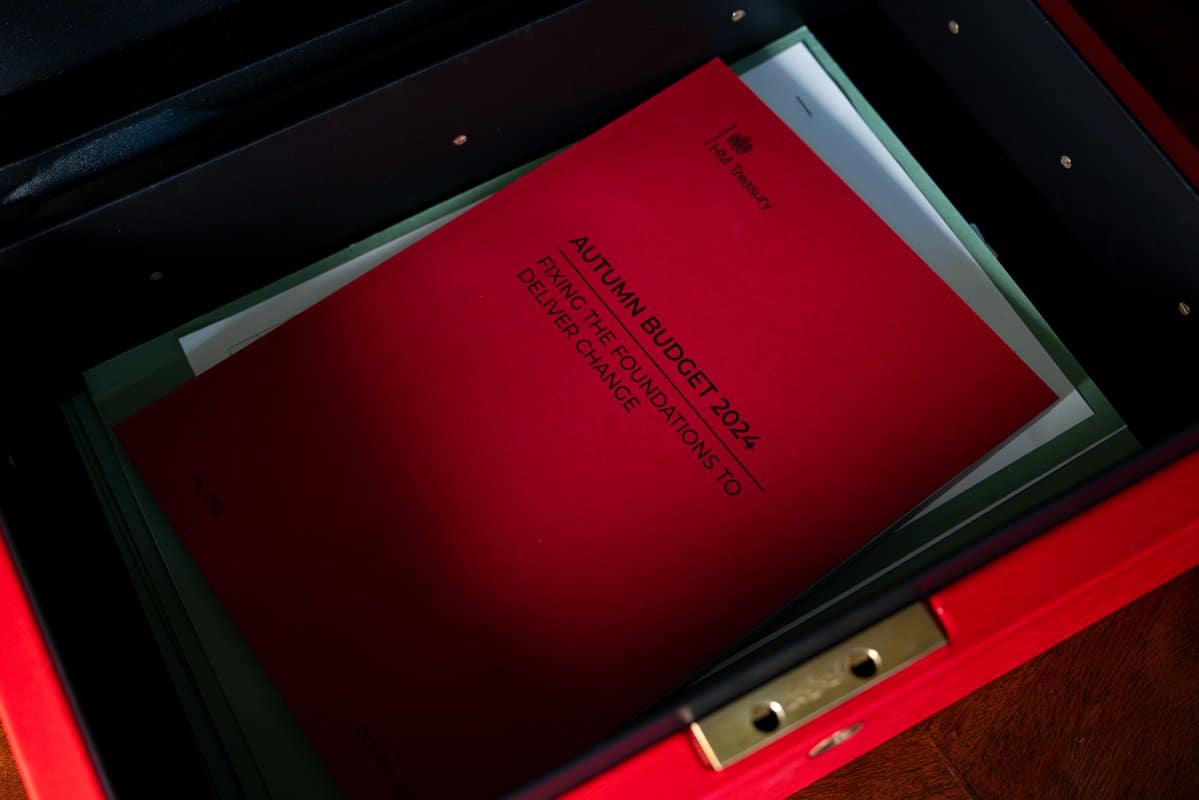

The 2024 Autumn Budget introduces significant tax changes for property investors.
- House prices in the UK are expected to rise significantly in the coming years.
- Rental market scams have become increasingly prevalent according to recent reports.
- Outstanding mortgages in the UK are at a notable high before key interest rate decisions.
- The Budget sheds light on future tax frameworks, bringing increased stability amidst past economic challenges.
The 2024 Autumn Budget has been a focal point for property investors, introducing changes that mark a new phase in taxation. Specifically, an additional 2% surcharge on Stamp Duty Land Tax (SDLT) for additional dwellings raises the total burden to 5%. While there were fears of an increase to Capital Gains Tax (CGT) on residential property, these did not materialise, bringing relief to stakeholders. This, according to Alternative Bridging Corporation, provides a welcomed sense of stability in taxation expectations.
In parallel with these developments, a forecast by Savills suggests UK house prices may rise by £84,000 over the next five years. This is set against a backdrop of increasing real estate activity, where clarity in taxation could further influence market dynamics. Meanwhile, recent reports indicate that rental scams have been particularly pervasive on platforms like Facebook Marketplace. The awareness of such issues highlights the ongoing challenges within the rental market.
Furthermore, it is reported that there are currently 8.4 million outstanding residential mortgages in the UK. This data precedes an expected decision on interest rates, which could affect borrowers significantly. The steady rise in mortgage numbers underlines the demand and activity within the housing market, echoing potential implications of the Budget’s tax-related announcements for homebuyers.
Jonathan Rubins of Alternative Bridging emphasised the Budget’s role in providing clarity amidst uncertainty, noting that the property market’s resilience has often been tested by economic events such as the global financial crisis and the Covid-19 pandemic. The focus on providing flexible financial solutions continues, with an emphasis on bespoke products like bridging finance and development funding tailored for evolving client needs. The Alternative Term Loan, free from early repayment charges, remains a popular choice for buy-to-let investors seeking to navigate the market more fluidly.
Rubins reiterates the importance of adaptable financial solutions, highlighting that the Budget’s clarity on SDLT, as opposed to CGT, establishes a more predictable environment for property investors. This direction is pivotal in helping clients manage their portfolios effectively without undue burden from potential CGT changes.
In light of the recent Budget, property investors are poised to experience a more stable and transparent taxation framework, aiding future planning.

