
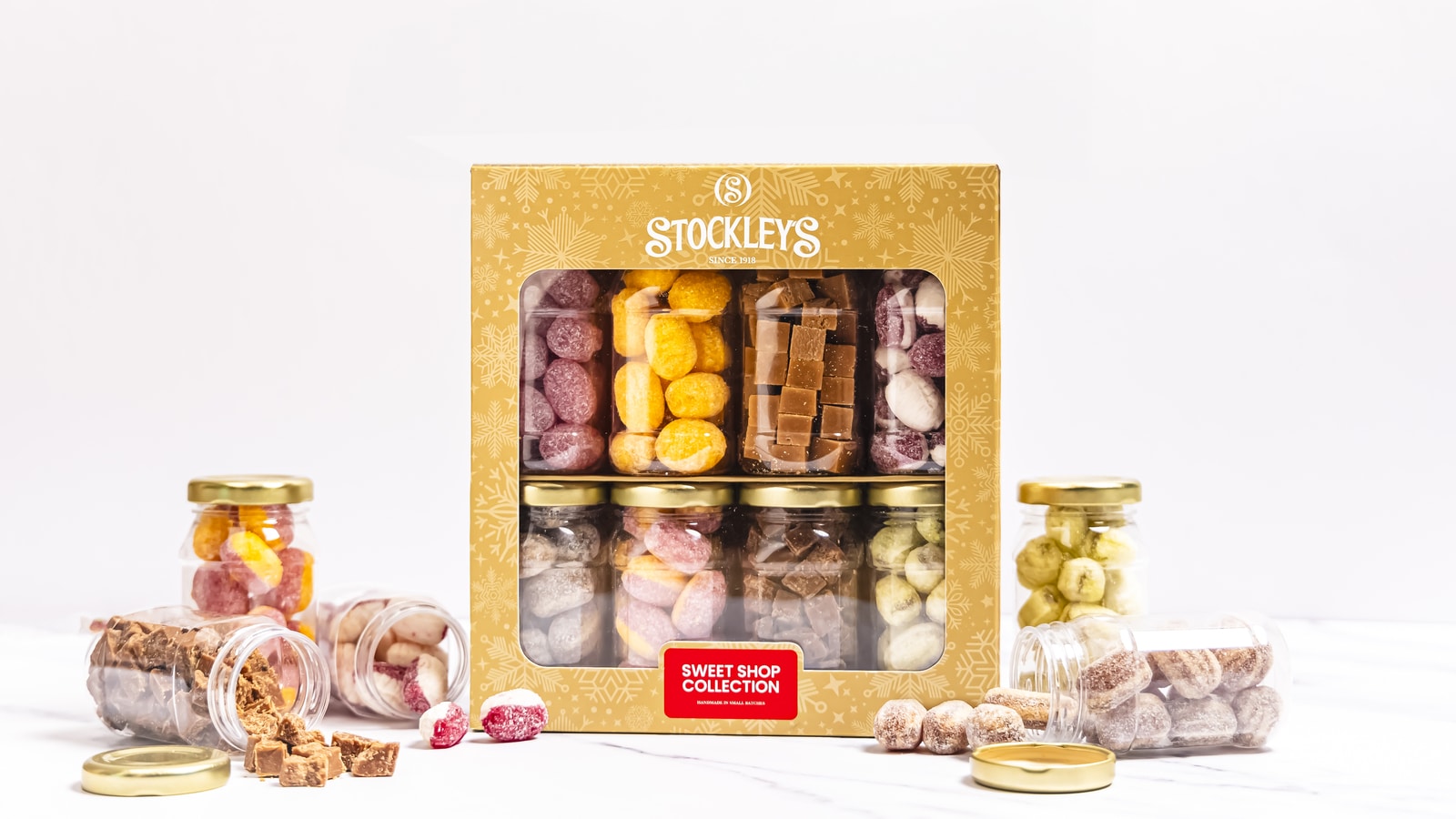

Stockley’s is reinventing itself to align with modern consumer trends.
- Founded in 1918, Stockley’s remains rooted in Lancashire’s tradition.
- The company aims to transition from a supplier to a branded market leader.
- Key strategic changes include enhanced sugar-free options and updated packaging.
- Stockley’s is expanding into gifting and speciality markets with unique offerings.
Stockley’s, established in 1918 by Malcolm Stockley, is undertaking a significant brand repositioning to address modern consumer preferences. Recognizing the demand for products that evoke ‘cultural roots’ and ‘nostalgic childhood’ memories, Stockley’s is on a mission to fortify its presence as a branded leader in the speciality confectionery sector.
Having operated as a ‘below the radar’ supplier to renowned UK sweet shops for over a century, Stockley’s has identified an opportunity to further engage with consumers directly. The company is making substantial changes, notably enhancing its sugar-free product line to align with current health trends.
A key component of the rebranding strategy is the revitalization of classic products. The ‘Flyers’ liquorice line, for instance, has received its first packaging update since the 1970s, intended to attract a new generation of customers while retaining its nostalgic appeal.
Stockley’s is also addressing a historical oversight: its presence in the gifting market. By entering into seasonal specials and bespoke, branded packaging for unique products like ‘Berries & Cream’ and ‘Cocktail Fizzers’, the company positions itself in the lucrative export and hamper markets.
The company is also creating bespoke packs featuring classic sweet combinations such as ‘choc limes’ and ‘rhubarb & custards’. This strategy is designed to cater to enthusiasts who appreciate the uniqueness of these offerings without having to sort through generic selection packs.
Andy Valentine, a spokesperson for Stockley’s, articulated the company’s intent to rekindle consumer connections with legacy confectioners. He underscored that during uncertain economic times, consumers are gravitating towards trusted ‘old-school’ manufacturers like Stockley’s. The company continues to distribute to independent sweet shops while also aiming to introduce subtle innovations to classic treats within the UK’s bustling speciality sector. This includes launching new products like the ‘Berries & Cream’ sweets, characterized by real cream and raspberry centers, and the ‘Christmas Pudding fudge’, promising seasonal delight.
In conclusion, Stockley’s ambition to blend tradition with modernity is driven by the goal of broadening its brand identity, offering a ‘sweet relief’ during challenging times.
Stockley’s ambitious rebranding aligns its rich heritage with contemporary consumer expectations.

