
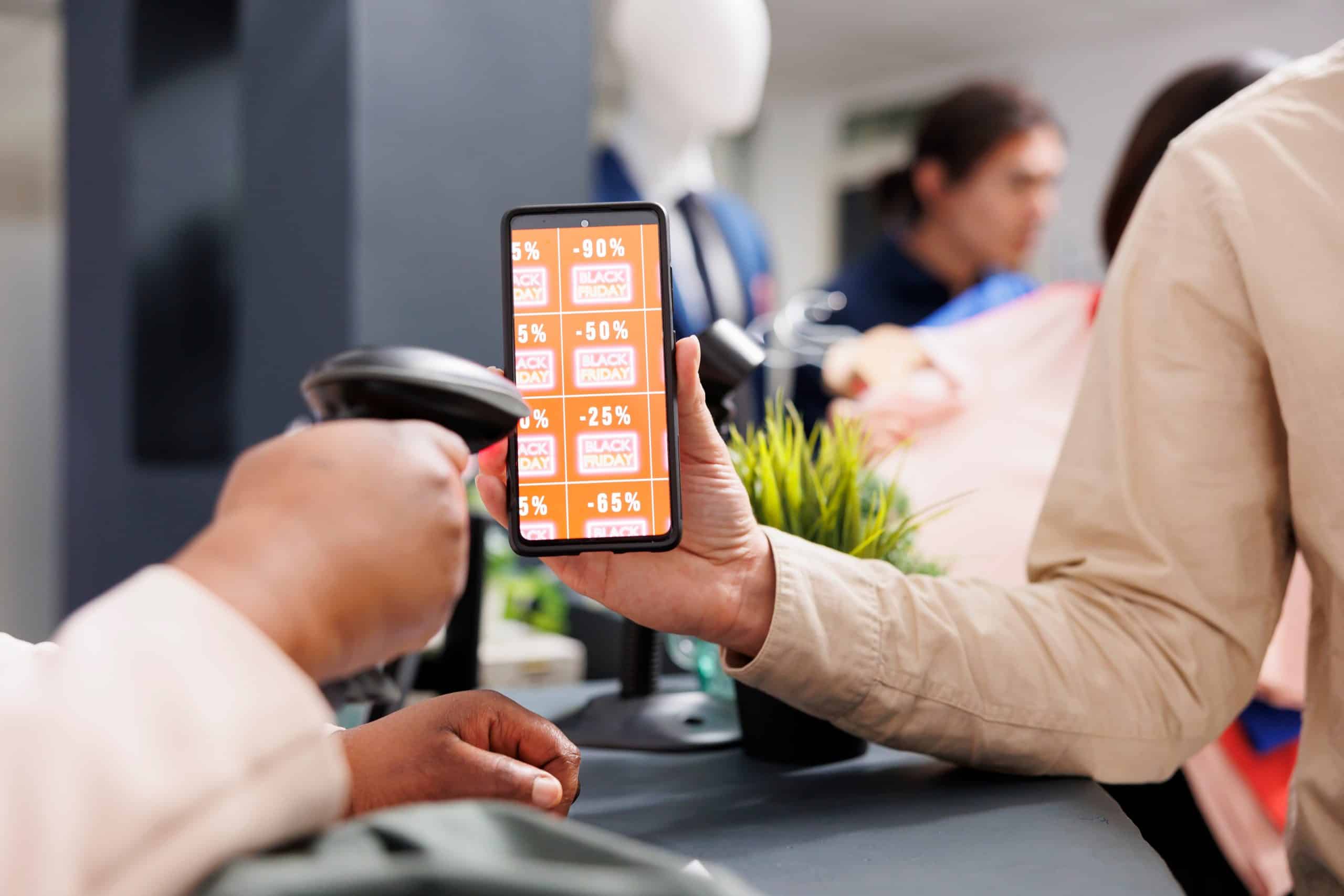

Coupons are a great way to save money, but scammers have found ways to exploit this popular practice to trick unsuspecting people. From fake websites to phishing emails, scammers have many tactics to steal personal information or even money. Here’s a guide to 10 common discount coupon scams and the steps you can take to avoid them.
Why Coupon Scams Are on the Rise
With the increased popularity of online shopping, scammers have more opportunities than ever to trick people into thinking they’re getting a good deal. Many people are attracted to discounts and will click on links or share personal information without fully verifying the source. According to a report on online coupon scams, people often overlook online security in the rush to snag a bargain, making them vulnerable to these types of scams. By learning about common coupon scams, you can avoid falling victim to these fraudulent schemes.
Fake Coupon Websites
How it Works: Scammers set up fake websites that look just like popular coupon sites, promising attractive deals that are often “too good to be true.” These sites usually ask for personal information, such as your email address, name, or phone number, or prompt you to download files that contain malware.
How to Spot It: Be wary of websites with strange URLs or low-quality designs. Stick to reputable sites like Coupons.com or RetailMeNot. Before sharing your information, make sure the site has HTTPS in the URL, which indicates a secure connection.
Social Media Coupon Scams
How it Works: Scammers create fake social media profiles or pages that appear to be affiliated with popular brands. They post about huge discounts or deals, encouraging users to share or comment on the post to get a special code. These scams often direct people to phishing sites where personal information can be stolen.
How to Spot It: Always check if the account sharing the coupon is verified, especially if it’s for a well-known brand. Look for the blue checkmark on platforms like Facebook, Instagram, or Twitter. If the offer seems overly generous, it might be a scam.
Survey Scams for Coupons
How it Works: Some scammers create fake surveys that promise a coupon as a reward for completion. These surveys often ask for excessive personal details and can end up asking you to download software or click links that lead to malware.
How to Spot It: If a survey asks for sensitive information, such as your address or payment details, it’s likely a scam. Legitimate brands typically host surveys on their own websites or trusted platforms.
4. QR Code Coupon Scams
How it Works: With the increased use of QR codes, scammers have started distributing fake QR codes, claiming they lead to exclusive discounts. Scanning these codes can take you to a phishing page or download malware onto your phone or computer.
How to Spot It: Be cautious with QR codes in random locations, such as flyers, posters, or unsolicited messages. Verify if a QR code is from a trusted brand before scanning, especially if it’s promising high discounts.
5. Text Message Coupon Scams
How it Works: Scammers send unsolicited text messages with a link, claiming that you’ve won a prize or a special coupon. These links often lead to fake websites designed to steal personal information or install malware.
How to Spot It: Legitimate companies typically don’t send unsolicited texts with coupon links. If you receive a suspicious text, don’t click the link. Instead, visit the brand’s website directly to see if they are offering any discounts.
6. Phishing Email Coupon Scams
How it Works: Phishing emails that appear to be from popular brands or retailers can contain fake coupon codes and links. Once clicked, these links can lead to phishing websites that request personal information or download malware to your device.
How to Spot It: Always double-check the sender’s email address and look out for typos or odd phrasing in the email. If you’re ever in doubt, go directly to the retailer’s website to find the latest promotions.
7. “Print-at-Home” Coupon Scams
How it Works: Some scams offer printable coupons that supposedly offer massive discounts but require you to download “special software” first. This software may be malicious and can compromise your computer’s security.
How to Spot It: Legitimate printable coupons are generally available directly on the retailer’s website or through reputable coupon sites. Avoid offers that require software installation.
8. Bogus Coupon Code Generators
How it Works: Websites claiming to generate “exclusive” coupon codes are often scams. These sites may ask for your personal details before “generating” a code or could require survey completion that doesn’t actually yield a real discount.
How to Spot It: Coupon code generators are typically scams. Only look for codes on well-known coupon sites or directly on the retailer’s site. Most genuine discounts are provided by brands, not through third-party code generators.
9. Referral Coupon Scams
How it Works: These scams appear as referral programs, where you’re offered a coupon if you share a link with friends. However, clicking the link often takes you to phishing pages designed to steal data or prompt downloads of malware.
How to Spot It: Real referral programs are generally run by brands themselves and are often promoted directly on their websites or official apps. If you receive a referral link from an unknown source, it’s best to ignore it.
10. Fake Retailer or Brand Coupons
How it Works: Scammers create fake coupons and distribute them via email, social media, or text messages. These fake coupons often ask for personal details or require you to complete steps like surveys or downloads to “unlock” the discount.
How to Spot It: Authentic coupons from brands can usually be found on their official websites, apps, or known coupon aggregators. If you’re ever asked for payment to access a discount or provide personal information, it’s a red flag.
How to Protect Yourself from Coupon Scams
Understanding the common tactics scammers use is the first step to staying safe. Here are a few general tips to help you avoid falling victim to coupon scams:
- Only Use Trusted Coupon Websites: Stick to reputable sites like RetailMeNot, Honey, and Coupons.com. These sites have strong anti-fraud measures in place.
- Verify Social Media Posts: Look for the verified checkmark on social media posts. Avoid offers from accounts without this verification, especially if the deal seems too good to be true.
- Avoid Clicking Suspicious Links: Avoid links in unsolicited emails or text messages. If in doubt, go directly to the brand’s official website instead of clicking on the link.
- Check for HTTPS: Only enter personal information on websites with HTTPS in the URL. This indicates a secure connection, which helps protect your data.
- Use a Strong Antivirus: Good antivirus software can help protect your devices from malware and phishing attacks, common in coupon scams.
- Don’t Share Personal Information: Avoid sharing sensitive data like Social Security numbers, credit card details, or passwords to access coupons. Legitimate coupons typically don’t require this information.
- Report Suspicious Activity: If you encounter a suspicious coupon, report it to the brand or platform to prevent others from falling victim to the scam.
Conclusion: Staying Savvy with Coupons
Coupons are a great way to save money, but staying cautious is important. By understanding common scams, you can protect yourself and enjoy legitimate discounts without putting your personal information at risk. Remember always to verify the source of a coupon, avoid sharing unnecessary personal details, and only use reputable websites for your discount needs. With these tips, you can outsmart scammers and safely enjoy the perks of online deals!

